Themes /
Humanitarian reform
We believe global humanitarian reform begins in countries affected by disasters, not in global capitals. That’s why we want to understand how people affected by crisis experience humanitarian action – and help humanitarian actors change course as a result.
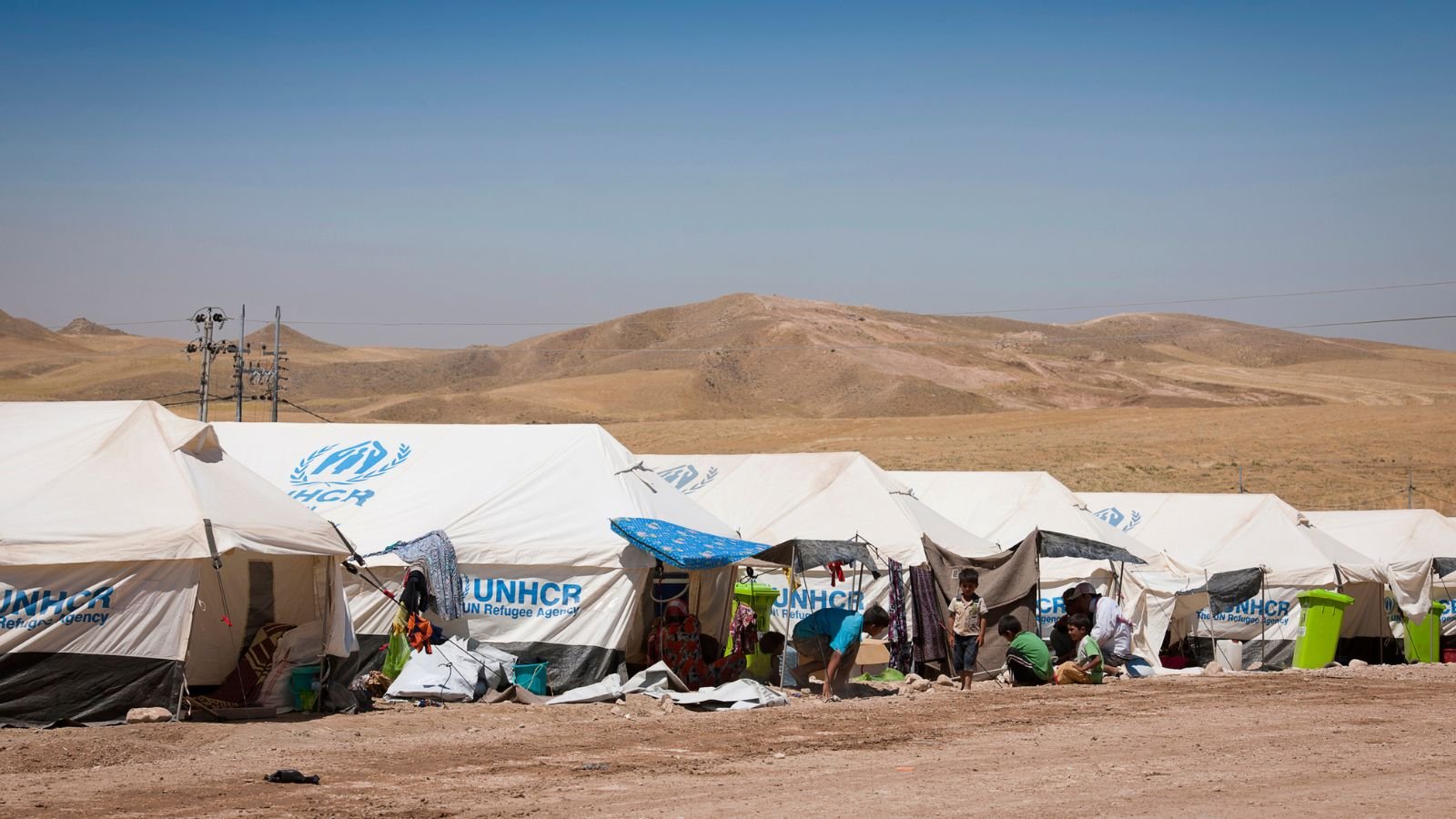
Photo: ECHO
Humanitarian reform projects tend to focus at the response-wide level, tracking feedback across a whole response to examine how humanitarian action is faring from the community perspective. This feeds into humanitarian planning by coordinators, workshops with implementers, and global advocacy.
What we are doing
We help crisis-affected people share their feedback with the humanitarian community with a regularly updated set of benchmarks that tell aid providers, coordinators, governments, and donors how affected people view actions undertaken on their behalf. We provide statistically sound means of tracking performance over time against indicators linked to humanitarian response plans, identifying trends, barriers, and clear pathways to improvement.
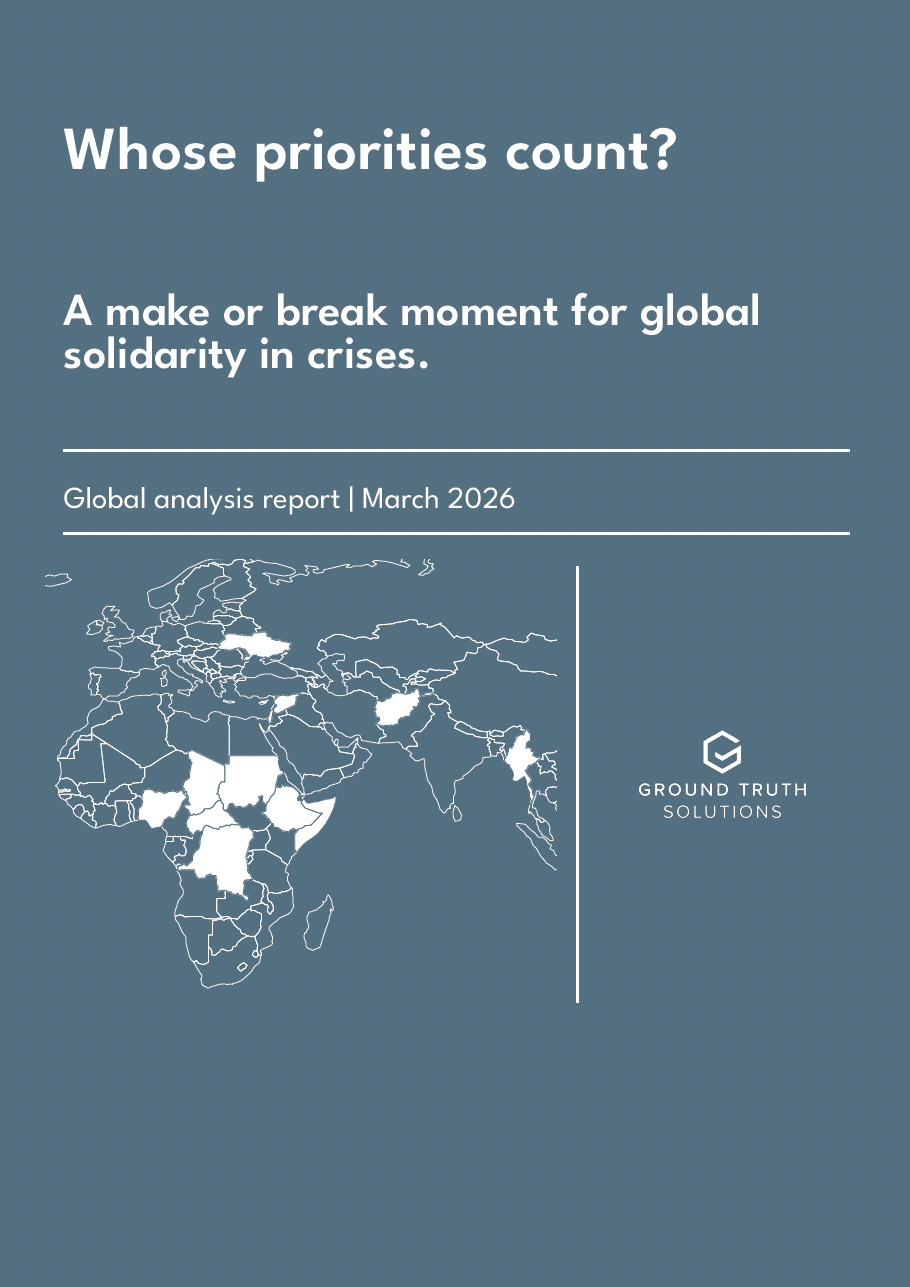
With support from our partners and donors, we are currently working at the response-wide level in Afghanistan, Bangladesh, Burkina Faso, Chad, the Central African Republic, the Democratic Republic of the Congo, and Ukraine and surrounding countries.

Our humanitarian reform projects
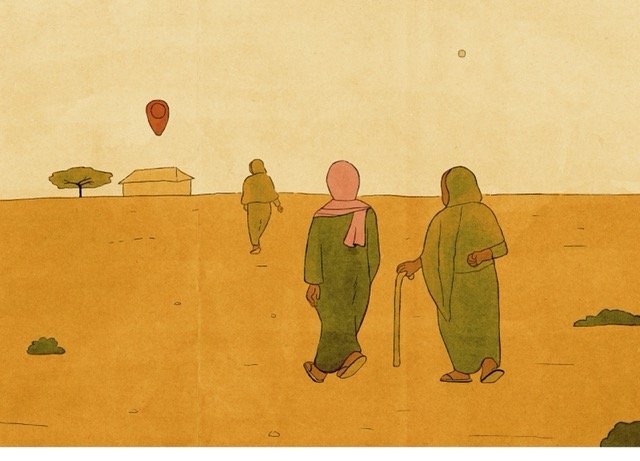
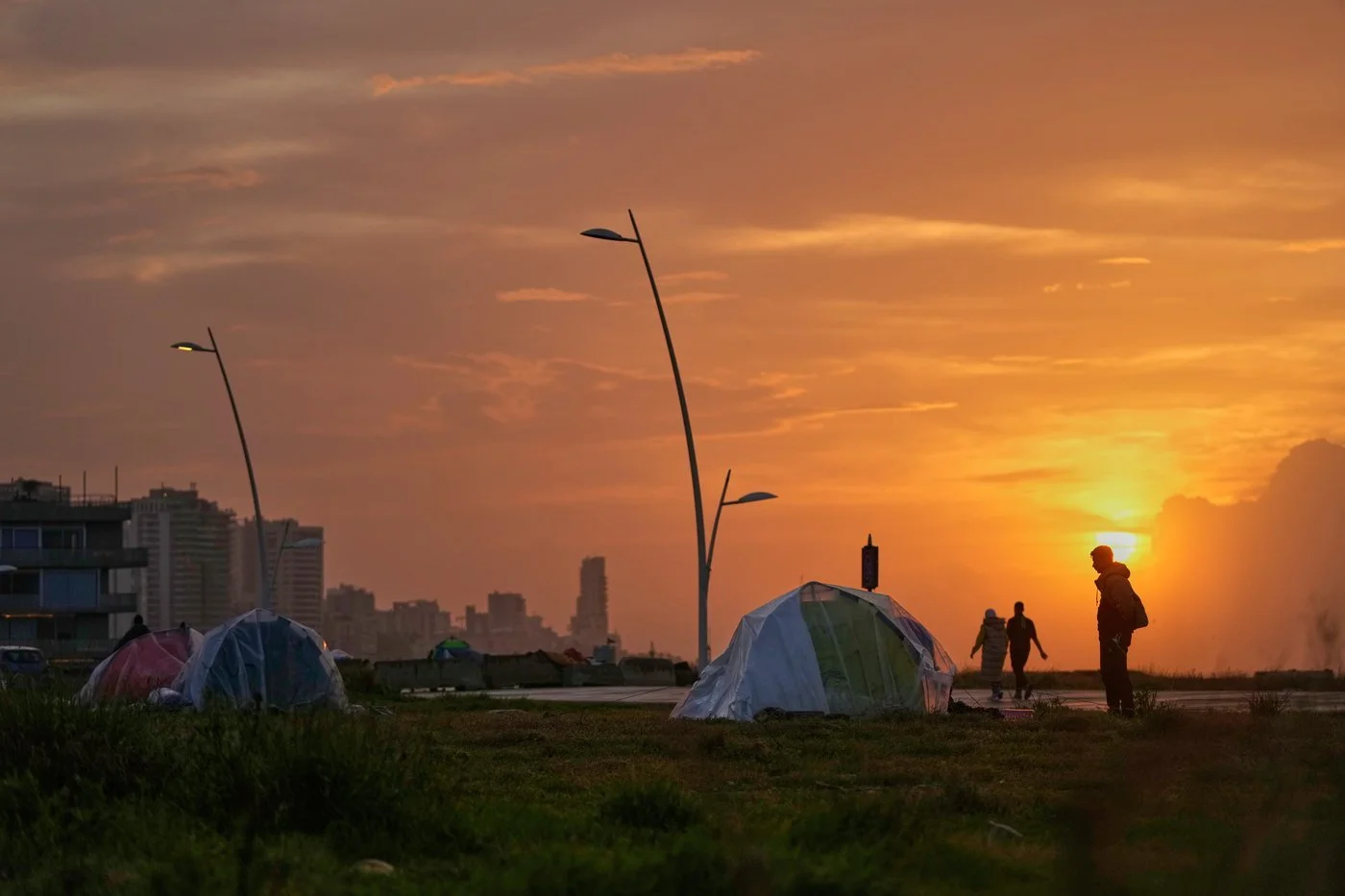
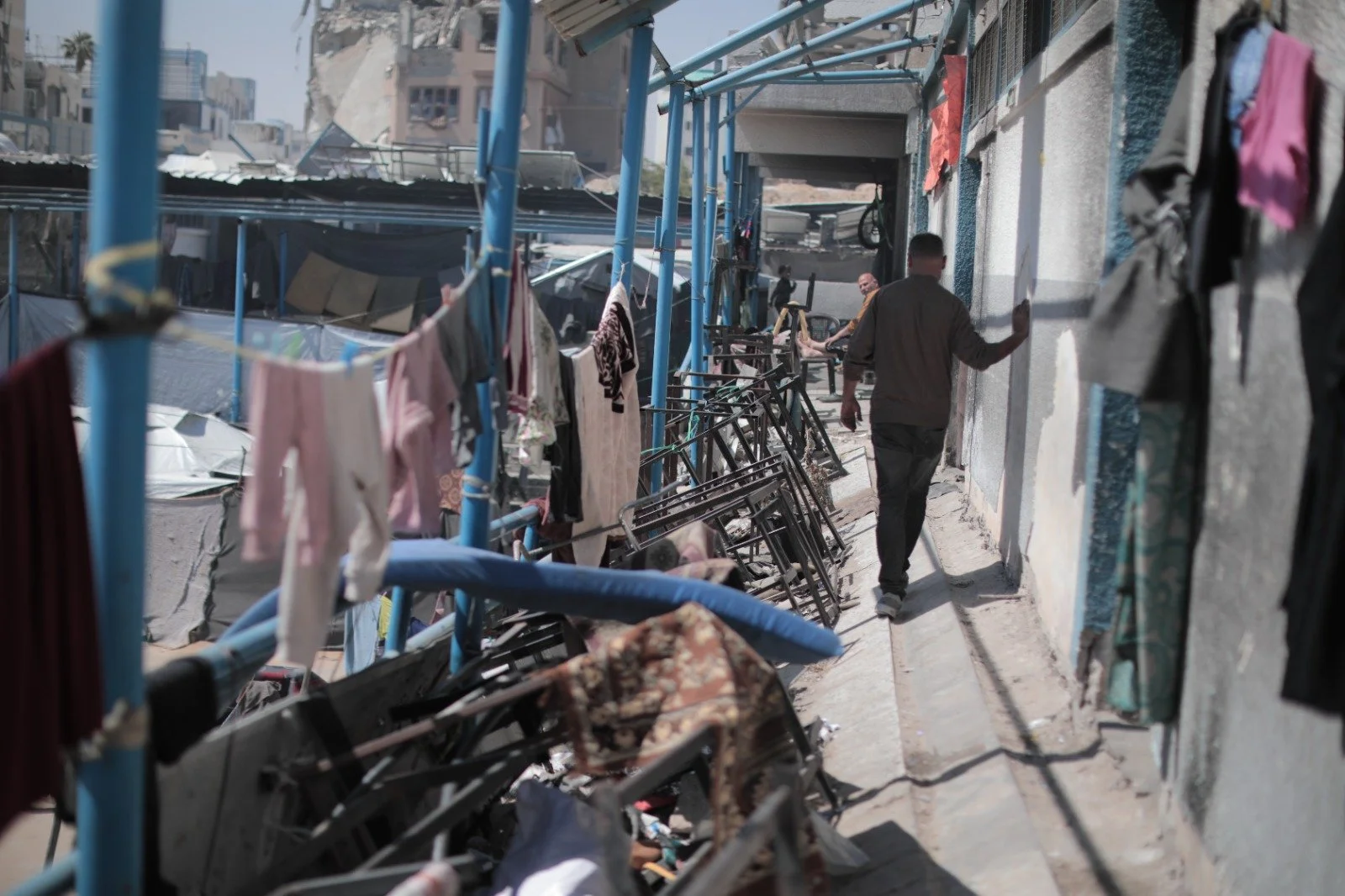

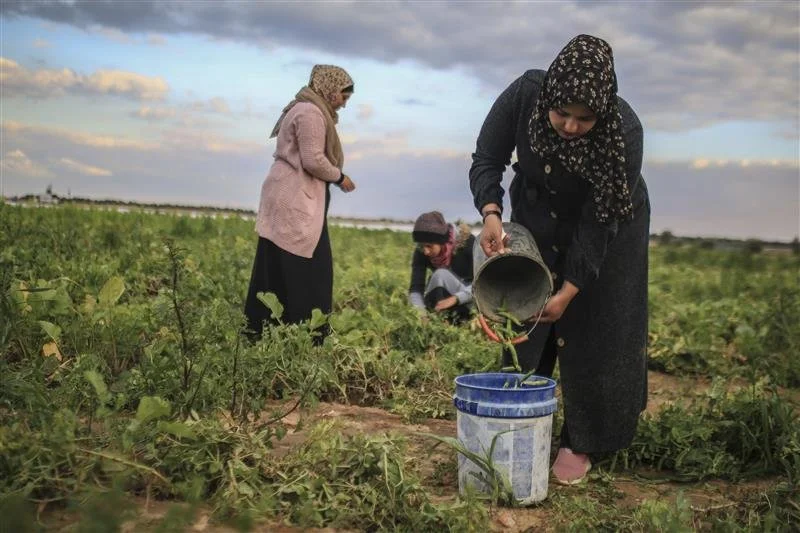


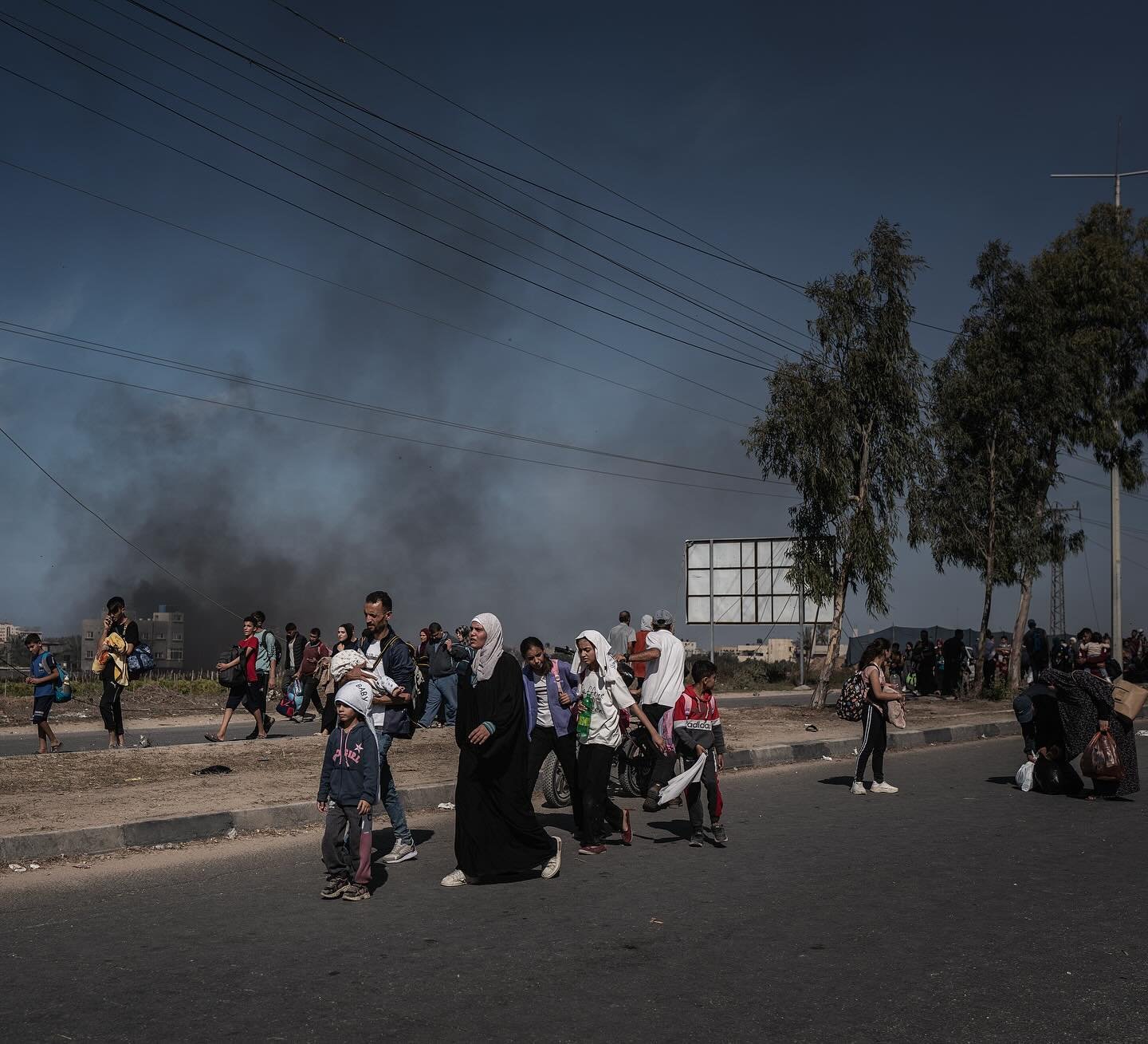


In March 2023, funded by the H2H Network’s H2H Fund and supported by UK aid - from the British people, Ground Truth Solutions launched a project to understand the extent to which the humanitarian response in Türkiye is accountable to people’s needs, priorities, and expectations. This project also aims to uncover how aid can be more responsive to the unfolding needs of the affected population in Türkiye, and how international actors can effectively support and engage with the localised response.

The escalation of the war on 24 February 2022 in Ukraine provoked one of the biggest humanitarian crises Europe has seen in the last decades. More than 17 million people need aid and almost 14 million people have been reached with humanitarian and governmental assistance as of December 2022.

In 2022, we partnered with the United Nations Office for the Coordination of Humanitarian Affairs (UN OCHA) in collaboration with the secretariat of the Inter-Agency Standing Committee (IASC), to together make sure community feedback was spurring necessary reform where it is needed: right at the top.

Ground Truth Solutions aims to provide Rohingya and local communities with a way to express their views and give feedback.

In 2020, we collected feedback from internally displaced people and non-displaced people on their experience with the humanitarian aid they received over the past six months and the impact COVID-19 was having on their lives.

This project aims to provide a check and balance on the endless rhetoric around ‘putting people at the centre’ by ensuring the views of crisis-affected Haitians are forefront in local decisions and global discussion.

Ground Truth Solutions has been supporting Accountability to Affected People efforts under the U-Learn Consortium which promotes improved outcomes for refugees and host communities in Uganda.

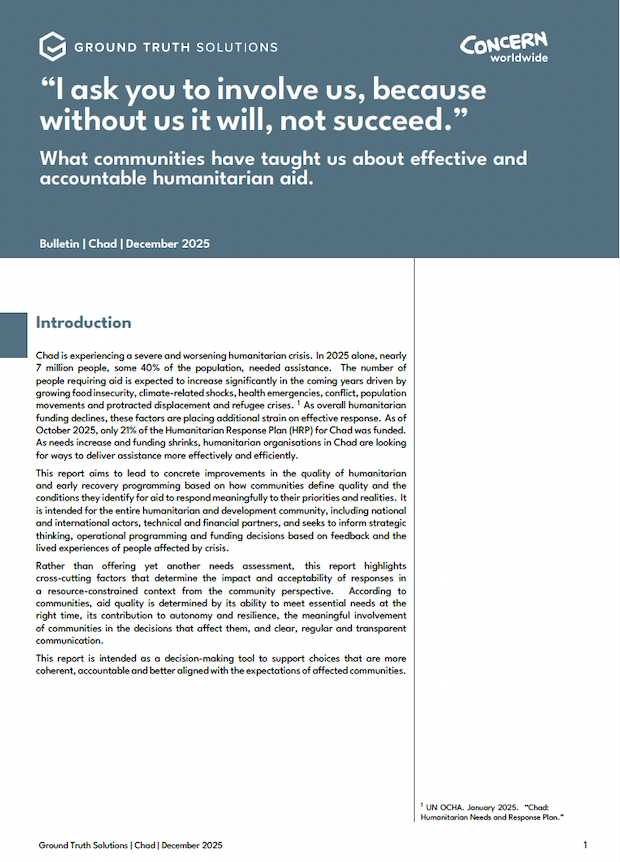
Since 2018, we have been tracking the perceptions of people affected by crisis in the Lac, Ouaddaï and Logone Oriental provinces to highlight their opinions about the humanitarian aid they receive.

Global claims of improved accountability in humanitarian action are not often supported by evidence. That’s why we work with humanitarian actors in CAR who are aiming to improve accountability to affected populations, by tracking and sharing the views of people receiving aid.

We believe global humanitarian reform begins in places affected by disasters, not in global capitals. That’s why we want to understand how people affected by crisis experience humanitarian action – and help humanitarian actors change course as a result.

Ground Truth Solutions worked with the OECD Secretariat from 2016 to 2019 to provide people affected by crisis with a way to assess progress on humanitarian performance.

From September 2015 to April 2017, DanChurchAid, Save the Children Denmark, and Ground Truth Solutions jointly implemented the Listen Learn Act project.
Latest humanitarian reform publications
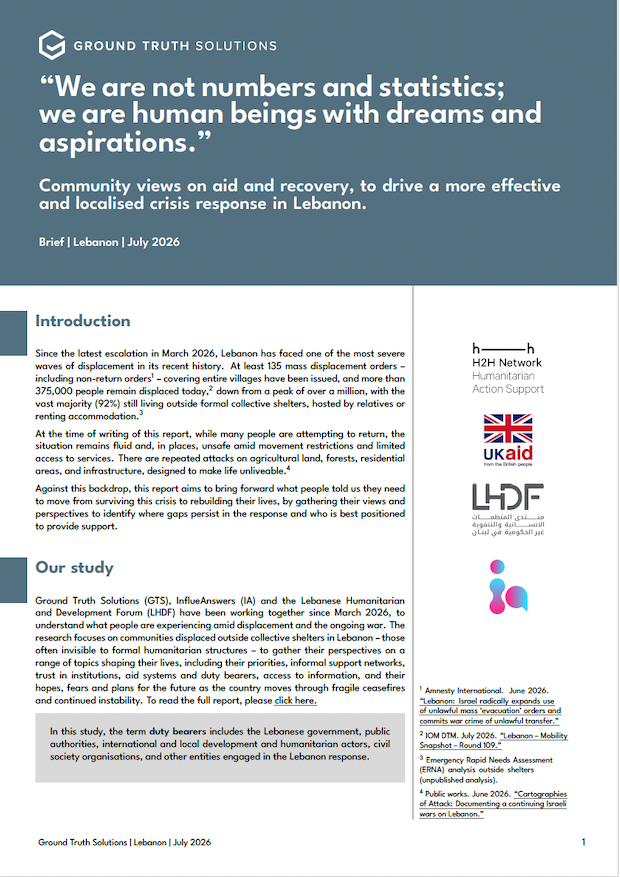
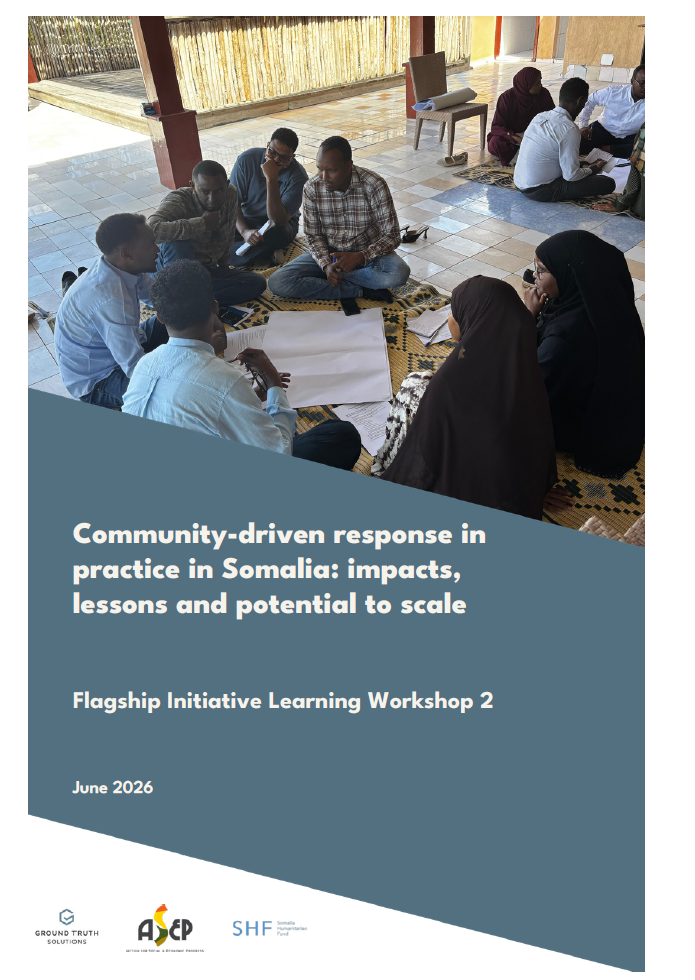
Community-driven response in practice in Somalia: impacts, lessons and potential to scale
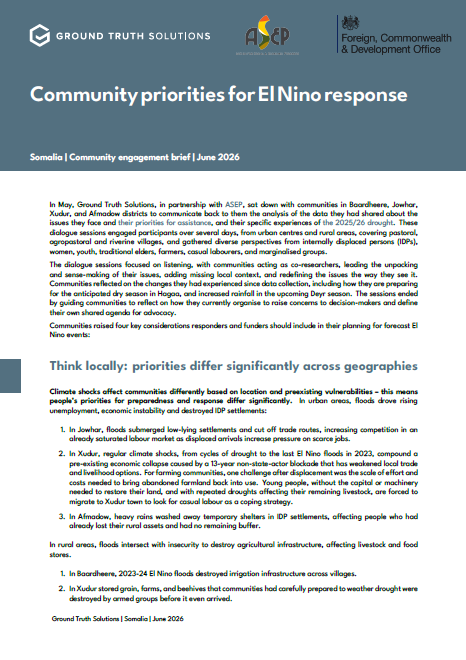
Community priorities for El Nino response
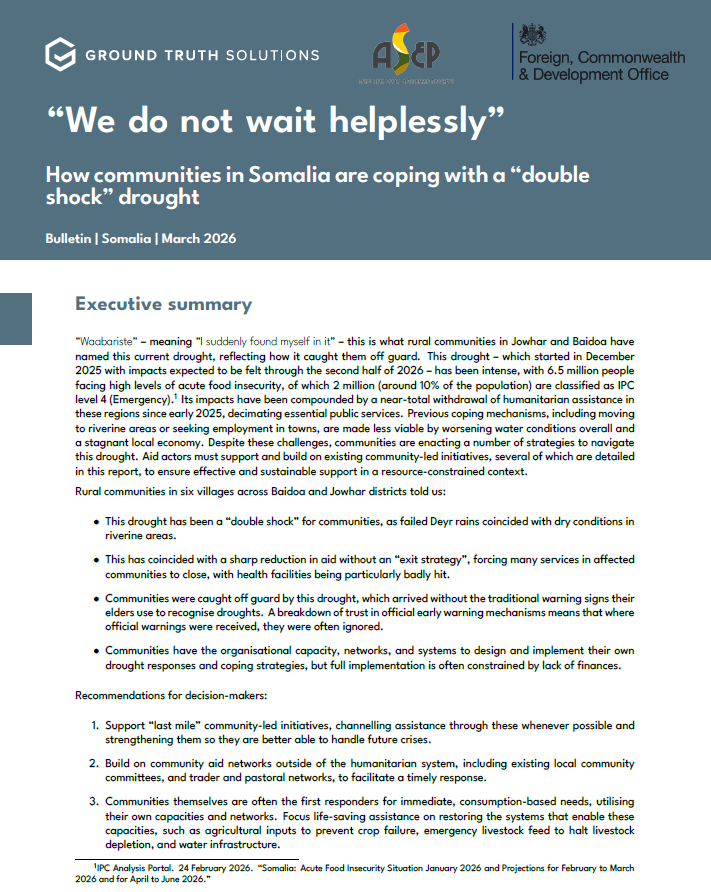
“We do not wait helplessly”: How communities in Somalia are coping with a “double shock” drought