
A gender analysis of humanitarian assistance in the occupied Palestinian territory
Palestinians in the West Bank and the Gaza Strip face a protracted and deepening crisis, marked by decades of military occupation, widespread violations of international humanitarian and human rights law, and internal political divisions. Since 7 October 2023, Israeli military operations and continued hostilities have triggered a devastating humanitarian crisis across the occupied Palestinian territory (oPt). According to the 2025 oPt Flash Appeal, 3.1 million Palestinians in Gaza and the West Bank are in need of protection and lifesaving assistance. The crisis has also intensified gender inequalities, inflicting disproportionate harm on women and girls.
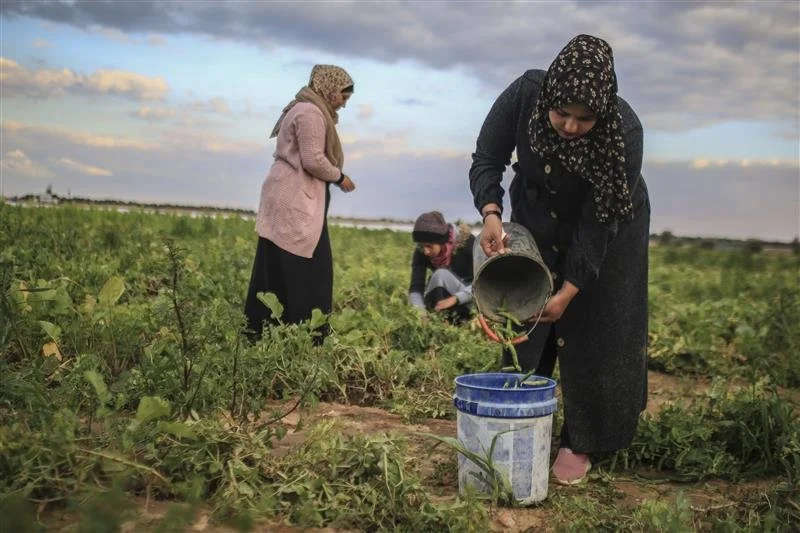
Photo credit: ICRC 2021
The experiences of crisis-affected people vary widely depending on gender, age and disability status. Women and girls, in particular, face distinct challenges and heightened risks. Yet, the current humanitarian response in the oPt has not adequately addressed these needs. Key gaps remain in engaging with women and girls, and in the collection and use of gender analysis and sex-, age-, and disability-disaggregated data to inform decision-making.
This project seeks to fill these gaps by designing and implementing a comprehensive, evidence-based perceptions study that amplifies the voices of crisis-affected women and men of all ages and abilities across Gaza and the West Bank, including East Jerusalem. The findings will inform the 2026 Flash Appeal and Humanitarian Response Plan for the oPt.
By capturing and sharing data-driven insights into how people experience aid, support one another, and define their priorities, the project aims to ensure that their perspectives guide both immediate humanitarian action and longer-term recovery efforts.
