
Strengthening humanitarian response efforts through community-led evidence in Sudan
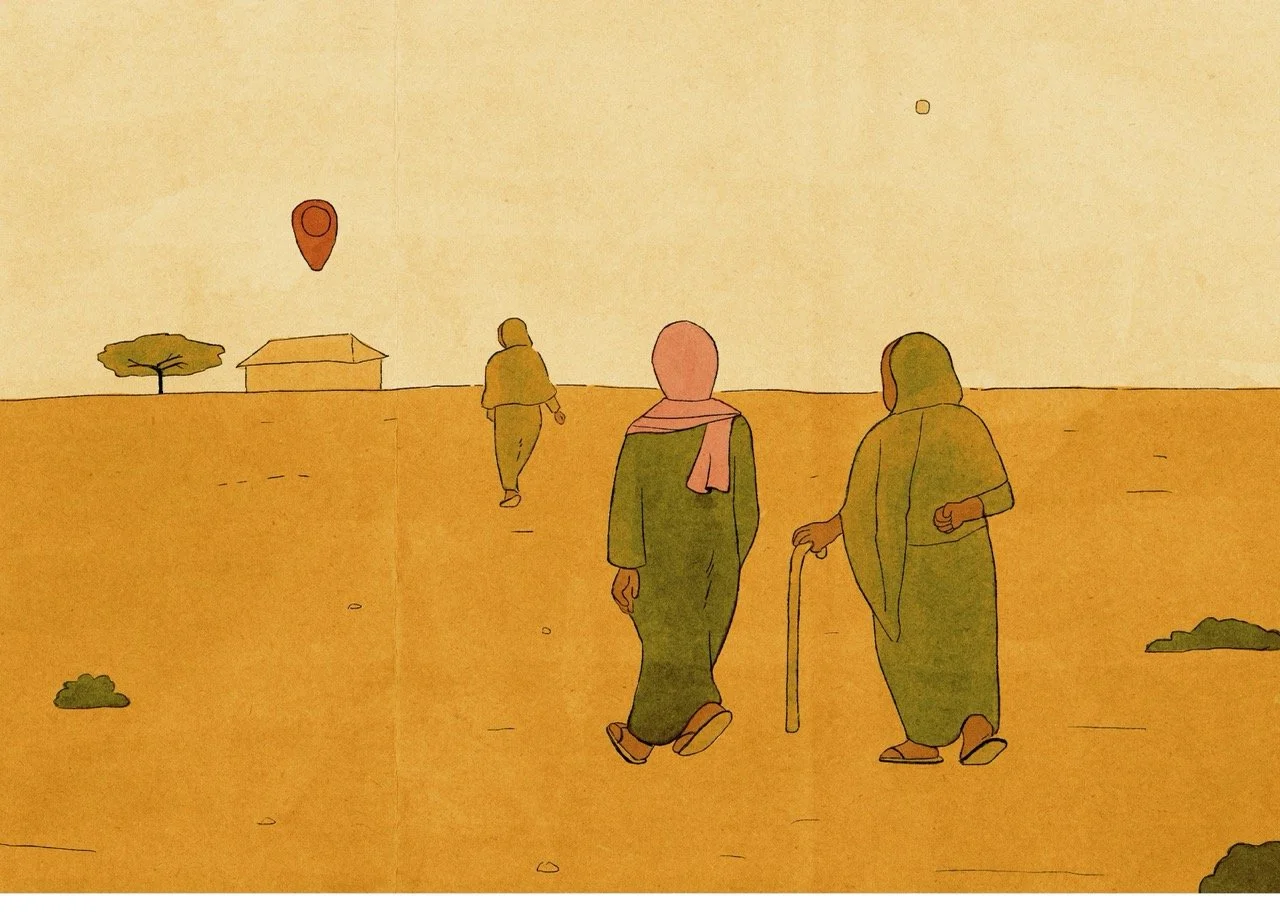
In 2026, we launched a research and dialogue project to capture how support and assistance is being experienced by crisis-affected communities across Sudan and how it can be strengthened to better reflect their priorities.
We will speak to people across six states in Sudan, through a mixed-method approach including face-to-face interviews with individuals and community consultation sessions. This research will examine how community members experience the aid they receive through multiple channels and actors, as well as their key challenges, priorities, capacities and suggestions for how the response can be improved.
The research will be designed in collaboration with community members and representatives of local civil society to ensure the data we are collecting reflects communities’ priorities and generates the insight needed to support the work of the community support structures within communities. The project will also incorporate a participatory analysis and validation process whereby quantitative research findings will be shared back with communities and mutual aid groups for reflection and refinement.
This project aims to drive more effective and accountable humanitarian response across Sudan which is better informed by and responsive to the priorities, capacities and aspirations of communities. By integrating participatory approaches, structured dialogue with decision-makers, and a focus on turning insight into action, the initiative aims not only to inform more effective and accountable humanitarian policy and programming, but also to strengthen the role of communities and the systems that support them as essential voices shaping Sudan’s response and recovery long term.
