
Practical accountability in complex humanitarian crises
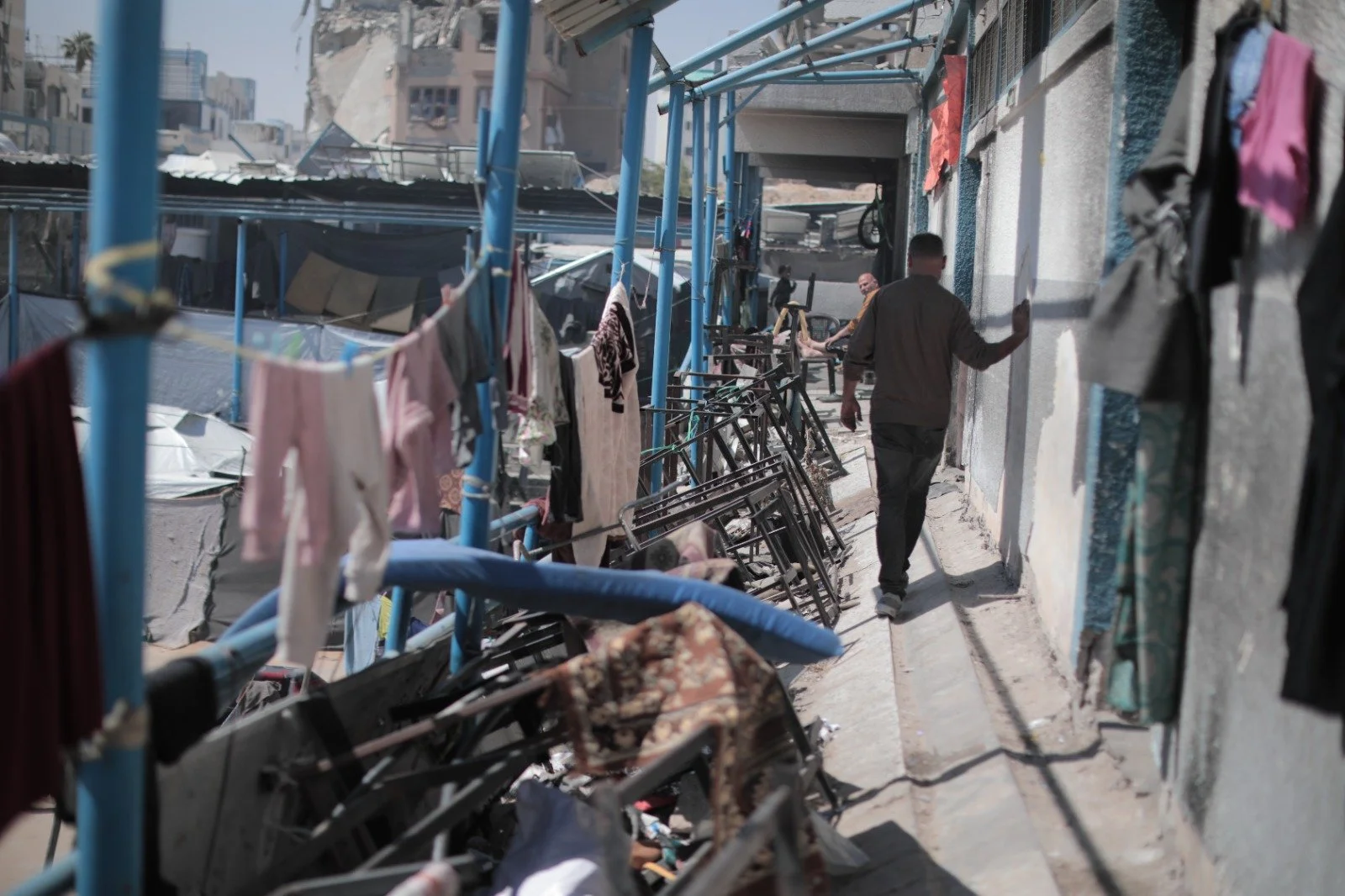
Photo credit: UNRWA 2025, Gaza
2025 has brought unprecedented challenges for the more than 300 million people who rely on humanitarian assistance. Funding is shrinking, needs are growing, and global political will is faltering.
Faced with such conditions, humanitarian leaders are having to make impossible choices about who receives aid and who is left behind. In complex and protracted contexts, these decisions could cut off entire generations from opportunities to emerge from aid dependency. The stakes of humanitarian decision-making have never been higher, nor has the need to learn from those decisions over time and to pivot where necessary.
When every dollar counts and every decision carries immense weight, these impossible choices must be informed by and aligned with the priorities of people experiencing crisis, not simply driven by the supplies and mandates of humanitarian agencies.
This project aims to demonstrate real progress on ‘putting people at the centre’, by ensuring that the views of people affected by crisis are driving humanitarian action in complex and resource-scarce conflict environments. It will provide a comprehensive, evidence-based understanding of the views and priorities of crisis-affected communities in the Democratic Republic of Congo and Palestine.
In both countries, we will:
Seek to understand community perceptions and priorities by conducting rigorous perception-based research, involving quantitative and qualitative enquiry.
Work with communities, leaders and humanitarian response actors to make sense of the findings, uncover opportunities and barriers, and translate them into action via tailored workshops, bilateral dialogue and action-planning.
In partnership with local actors, ensure the views of those directly impacted by crisis are included in global policy dialogues.
Ensure that our work supports capacity sharing and strengthening of local partners, and the local accountability ecosystem.
Spotlight community-led efforts to navigate and respond to crises.
Donor
Belgian Federal Public Service (FPS) Foreign Affairs, Foreign Trade and Development Cooperation
Project partners
In DRC: Victims Hope
In Palestine: Arab World for Research and Development
