Afghanistan
Since the de facto authorities took over Kabul on 15 August 2021, the humanitarian situation in Afghanistan has deteriorated rapidly.
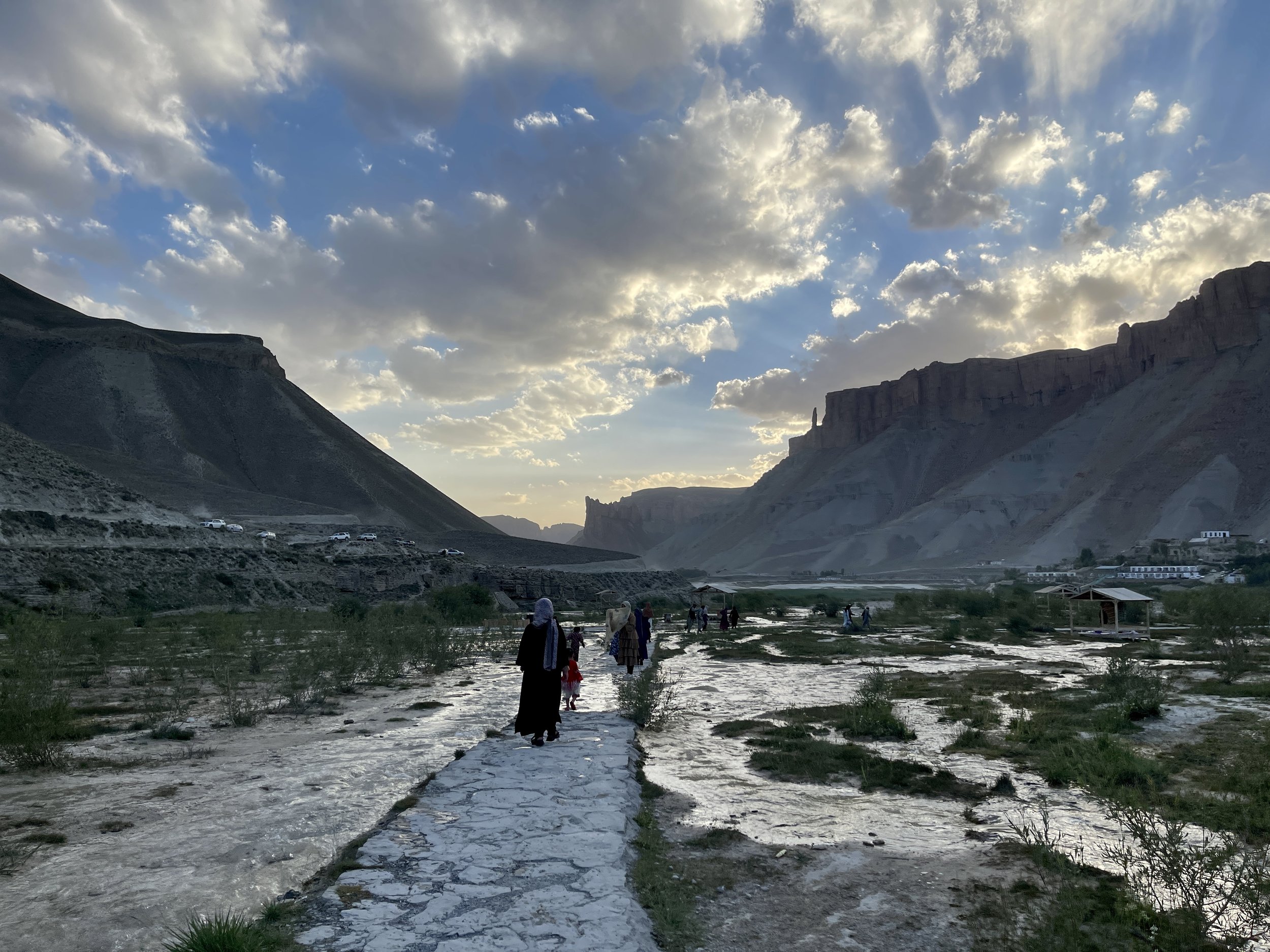
A woman in Ghazni. Photo credit: Najia Alizada
Overview
Afghanistan remains one of the world’s most acute humanitarian crises, driven by economic collapse, erosion of basic services and livelihoods, systematic restrictions on women’s rights, drastic aid funding cuts, and frequent natural disasters, accelerated and worsened by climate change.
In 2025, 22.9 million people - over half the population - require humanitarian assistance, with access to basic services deteriorating and aid pipelines under extreme strain. The Taliban’s takeover in August 2021, restrictions on women and girls’ rights and freedoms are primary driver of exclusion, vulnerability, and operational constraints. Simultaneously, foreign aid - long the backbone of basic service delivery - has plummeted, with only 13% of the 2025 Humanitarian Response Plan funded by mid-year. Afghanistan is also on the frontlines of the climate crisis, with devastating droughts and floods, increasing in frequency and severity, as well as other non-climate-linked natural hazards including earthquakes, leaving communities without time to recover between crises and accelerating long-term displacement and food insecurity.
Our work
Since 2022, working closely with UN Women and the Gender in Humanitarian Action (GiHA) working group members, Ground Truth Solutions and Salma Consulting have been listening to the views of people in Afghanistan on how aid is provided to women and girls.
In 2025, listening to the voices of women and girls in Afghanistan is more urgent - and more challenging - than ever.
Restrictions on women's movement, expression, access to services and participation in public life continue to deepen, while opportunities to meaningfully engage with them on decision-making are increasingly constrained. Yet, by actively seeking their perspectives on evolving gender norms, access to services, and the quality of humanitarian assistance, and by collaborating with aid providers, donors, and policymakers to act on what we hear, we can work toward three critical objectives:
To track perceptions of gender, cultural norms, and humanitarian assistance over time in the humanitarian response;
Build a stronger evidence base on the needs and priorities of people across Afghanistan to inform the humanitarian response;
To understand how to best respond to the unique priorities, capacities, and needs of women and girls.
“Since we didn’t have money, I arranged the engagement of my 13-year-old daughter and received a bride price of 500,000 Afghani (approx. USD 7000). We are slowly using that money to cover our expenses.”