
Themes /
Health
We believe it is vital that the views and feedback of citizens, responders, and health workers in humanitarian settings are included in programme coordination, design, and implementation.
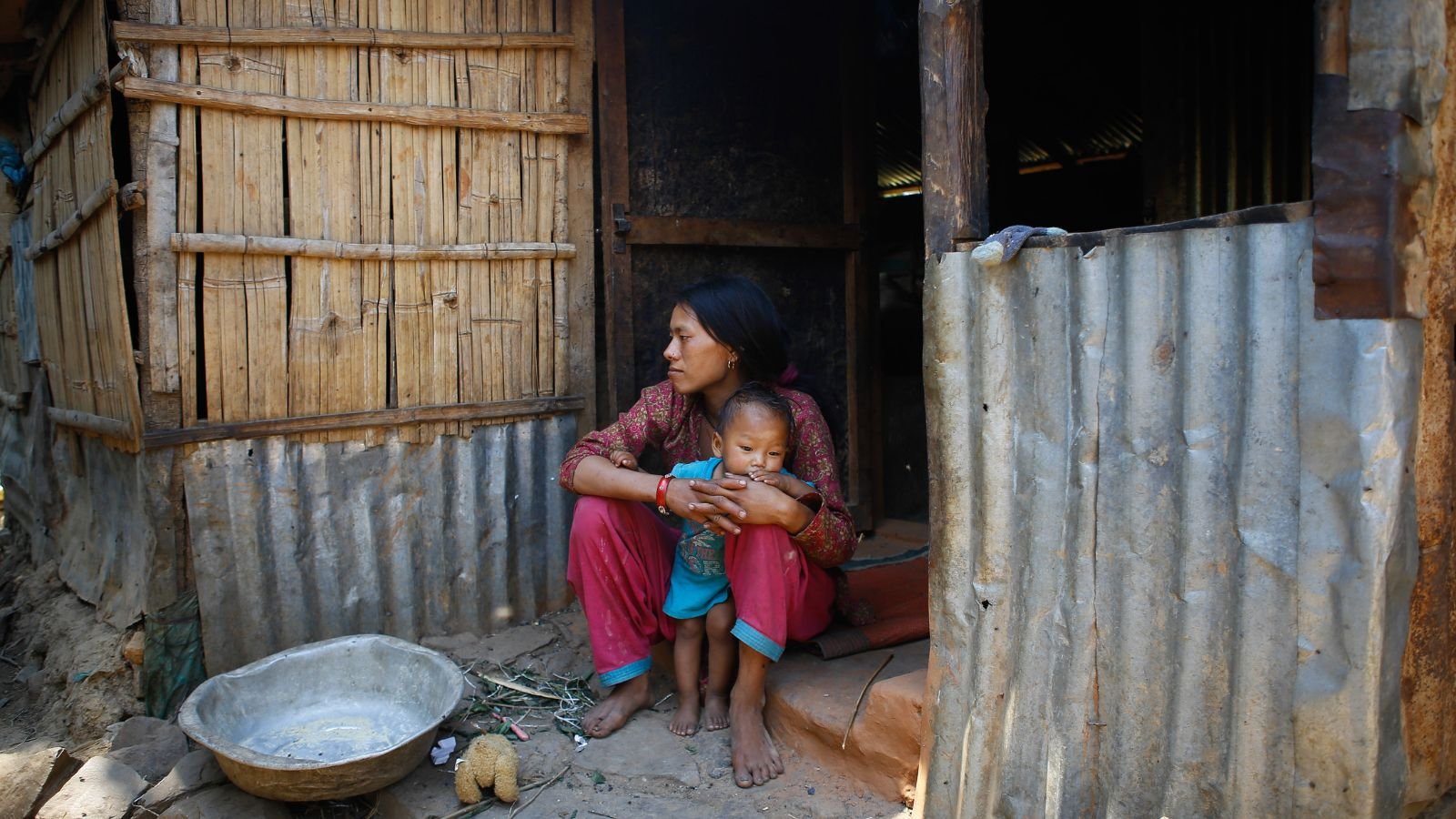
Photo: ICRC
Good health is central in reducing poverty and ensuring sustainable growth and development. In this space, GTS’s goal is to strengthen health systems in low-income countries by bringing the perspective of health workers and citizens into policy formulation and systems management.
As the Covid-19 pandemic has put unparalleled strain on what are already hard-pressed health systems, health workers are widely respected, yet their views are rarely sought out in a systematic way and even more rarely acted upon. Citizens, meanwhile, have a clear stake in the resilience of these systems and a point of view informed by the user experience.
The goal of this programmatic area is to capture the perspectives of health workers and citizens on issues linked to universal health coverage, health system resilience and accountability and use them to drive change through a combination of opinion research and targeted advocacy. It is about empowering health professionals and citizens to fast-forward community-driven health care reform.
What we are doing
GTS has been working in numerous contexts to provide humanitarian and health workers with critical community perceptions on disease outbreaks and access to and quality of health systems.
In Afghanistan, GTS collaborated with the WHO and the Awaaz Humanitarian Helpline to identify and unpack barriers to essential health services, perceptions on trust in health workers and quality of care, and the general humanitarian response.
In countries where GTS was already active, or had previously been (Iraq, Uganda, Syria, Somalia, and Bangladesh – countries scoring high on the INFORM Risk Index and low on the Universal Health Care index) we sought to learn about peoples’ trust in the COVID-19 response, the fairness of support, and the profound economic impact. We then set out to share what we learned with responders and policymakers.
Contact
Rieke Vingerling
Programme Manager
Our health projects
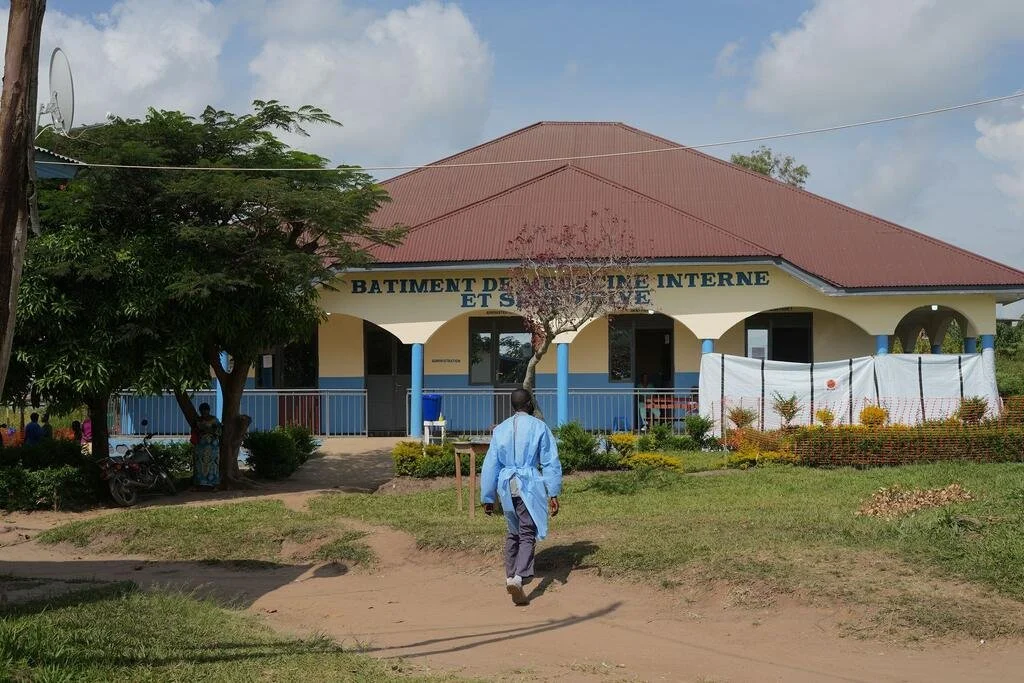

Lack of funding, the COVID-19 pandemic, and attacks on health care make Afghanistan’s health system fragile. Community perceptions on healthcare can inform better health programming.

The 34 camps in Cox’s Bazar, Bangladesh are some of the most densely populated areas in the world, housing some 860,000 Rohingya refugees who have fled their native country to seek protection from persecution and violence. Fears of a deadly coronavirus outbreak prompted a swift government-issued lockdown in March 2020, with humanitarians having to limit operations to essential services only.

As the Covid-19 pandemic took hold, we knew that listening to community feedback about what worked and what didn’t would be more important than ever when humanitarians, health workers, governments, and others came together to combat the virus.

Ground Truth Solutions worked with the International Federation of Red Cross and Red Crescent Societies (IFRC) to engage volunteers across its 49 countries of operation in Africa.

As a part of our global initiative to gauge perceptions on Covid-19, we have partnered with the UNOPS Iraq Information Centre (IIC) to hear what refugees, returnees, and IDPs have to say about the response to the pandemic.

In Somalia, we are conducting country-wide telephone surveys with internally displaced people, people in need, and Somali citizens.

Containment and successful treatment of COVID-19 is contingent on community behaviour, which is inherently linked to information, trust and risk perception.

As the global pandemic emerged in early 2020, it presented unprecedented challenges both to refugee communities across Uganda and the humanitarian response implemented on their behalf.

Covid-19 has sparked an economic crisis that will disproportionately affect the most vulnerable members of society, particularly in humanitarian contexts. The Cash Barometer project explores its economic impact, helping humanitarians to better understand its various effects, as well as to what extent recipients’ perspectives inform cash and voucher assistance (CVA) responses, on two levels: global and in-country.

In the Central African Republic (CAR), Ground Truth Solutions has worked with UNICEF to track the perceptions of affected communities and other key actors on the humanitarian response to Covid-19.

Ground Truth Solutions, in partnership with the British Red Cross (BRC), provided remote support to the Lebanese Red Cross Society (LRCS) and Zimbabwe Red Cross Society (ZRCS) to put in place mechanisms to tap public perceptions about Covid-19.
Latest health publications
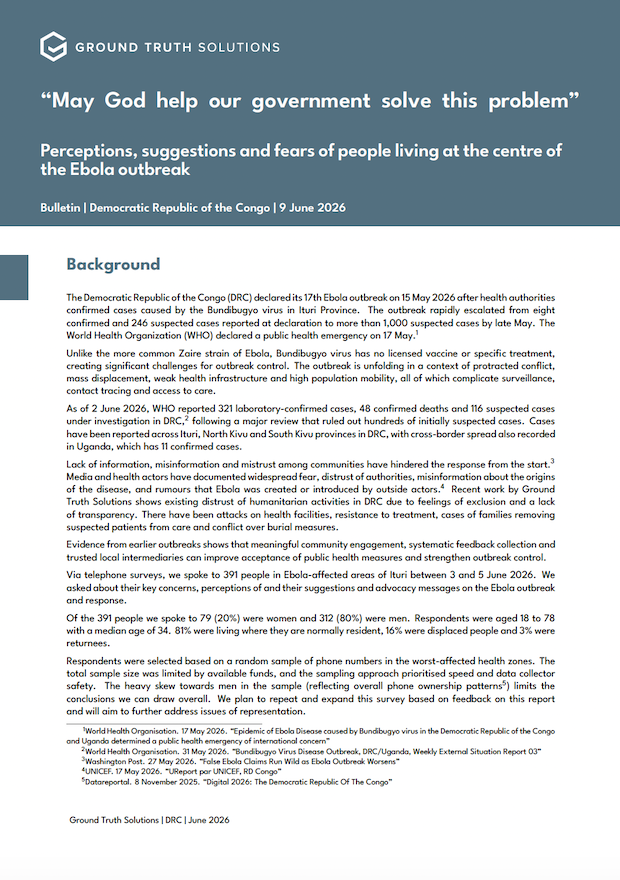

Protecting and improving healthcare: Community insight from Afghanistan - one pager

Protecting and improving healthcare: Community insight from Afghanistan

Between a pandemic and a hard place: Durable solutions elusive for Iraq’s most vulnerable

Community leader insights and recommendations during the Covid-19 response

COVID-19 takes social and financial toll on Cox’s Bazar camp communities

Nearing a year of restrictions, Iraq’s vulnerable are running out of options - and trust

Enquête auprès des ménages centrafricains sur leurs perceptions de la COVID-19

COVID-19 insight from refugee leaders and humanitarian staff Uganda

Iraq: How the most vulnerable contend with COVID-19 – and restrictions to keep them safe
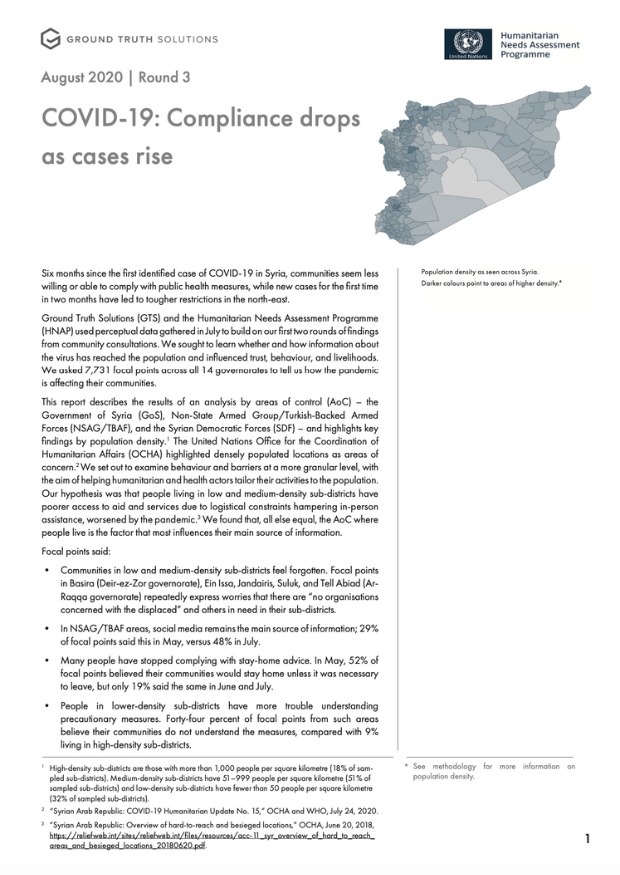
COVID-19: Compliance drops as cases rise

COVID-19 insight from refugee community leaders: Uganda Bulletin 2

How COVID-19 compounds already dire economic needs: insight from Syria

COVID-19: perceptions of people in need in Iraq - bulletin 1

COVID-19: perceptions of people in need in Iraq


COVID-19 insight from refugee community leaders: Uganda Bulletin 1

COVID-19 insight from refugee community leaders Uganda