
Themes /
Accountability in action
Our Accountability in Action portfolio supports organisations, or groups of organisations, in the design and implementation of feedback and accountability systems.
Photo: ECHO
Accountability to affected people is not a solo act, nor is it a problem that can be solved by even the most well-meaning coordinators. All the policies in the world won’t work without implementers making them happen. We moved away from the not-quite-right term ‘capacity building’ last year in favour of Accountability in Action (AiA), to describe our work supporting agencies or coalitions to improve systems for collecting and/or responding to feedback.
What we are doing
We have been working with agencies, and groups of agencies, since our inception. We focus on incorporating better dialogue and facilitation into our country programmes, in line with our strategy. We conduct training for humanitarian agencies big and small, most recently in Burkina Faso, Uganda, Afghanistan, the Central African Republic and Chad, and over the years, have drastically increased the number of workshops with humanitarian actors based on our data.
Supporting local efforts
As first responders and implementers of humanitarian projects, national NGOs are often the primary receivers of feedback and complaints from aid recipients. However, much of this feedback is informal and received on an ad-hoc basis and NGOs rarely have the tools or resources to collect and act on it systematically. Therefore, we work with local organisations and national governments to help strengthen systems to systematically listen and respond to the views of crisis-affected people.
Contact

Kai Hopkins
Senior Programme Manager
Our Accountability in Action projects

There has arguably never been a more critical time to actively listen to the voices of women and girls in Afghanistan, and yet opportunities to do so are limited, and complicated. The Rapid Gender Analysis (RGA) conducted by CARE Afghanistan from June-July 2021 indicate that women’s exclusion from decision-making spaces extends to humanitarian assistance, especially since the ban on women working for national and international NGOs, which has left little opportunities to engage with women.

With experience in designing simple and sustainable feedback systems, and the ability to train NGOs in how to best implement them, Ground Truth Solutions supported local Afghan NGOs in building the tools, skills and experience necessary to run systematic feedback mechanisms independently.

Ground Truth Solutions worked with the International Federation of Red Cross and Red Crescent Societies (IFRC) to engage volunteers across its 49 countries of operation in Africa.

Ground Truth Solutions has been supporting Accountability to Affected People efforts under the U-Learn Consortium which promotes improved outcomes for refugees and host communities in Uganda.

Aiming to strengthen localisation through capacity building, we worked to support local actors in the region by embedding sustainable, locally-led solutions in-country.

In partnership with the Netherlands Red Cross (NLRC) and the Ugandan Red Cross Society (URCS), Ground Truth Solutions supported the creation and implementation of a systematic feedback system for the Innovative Approaches to Response Preparedness (IARP) project in Uganda.
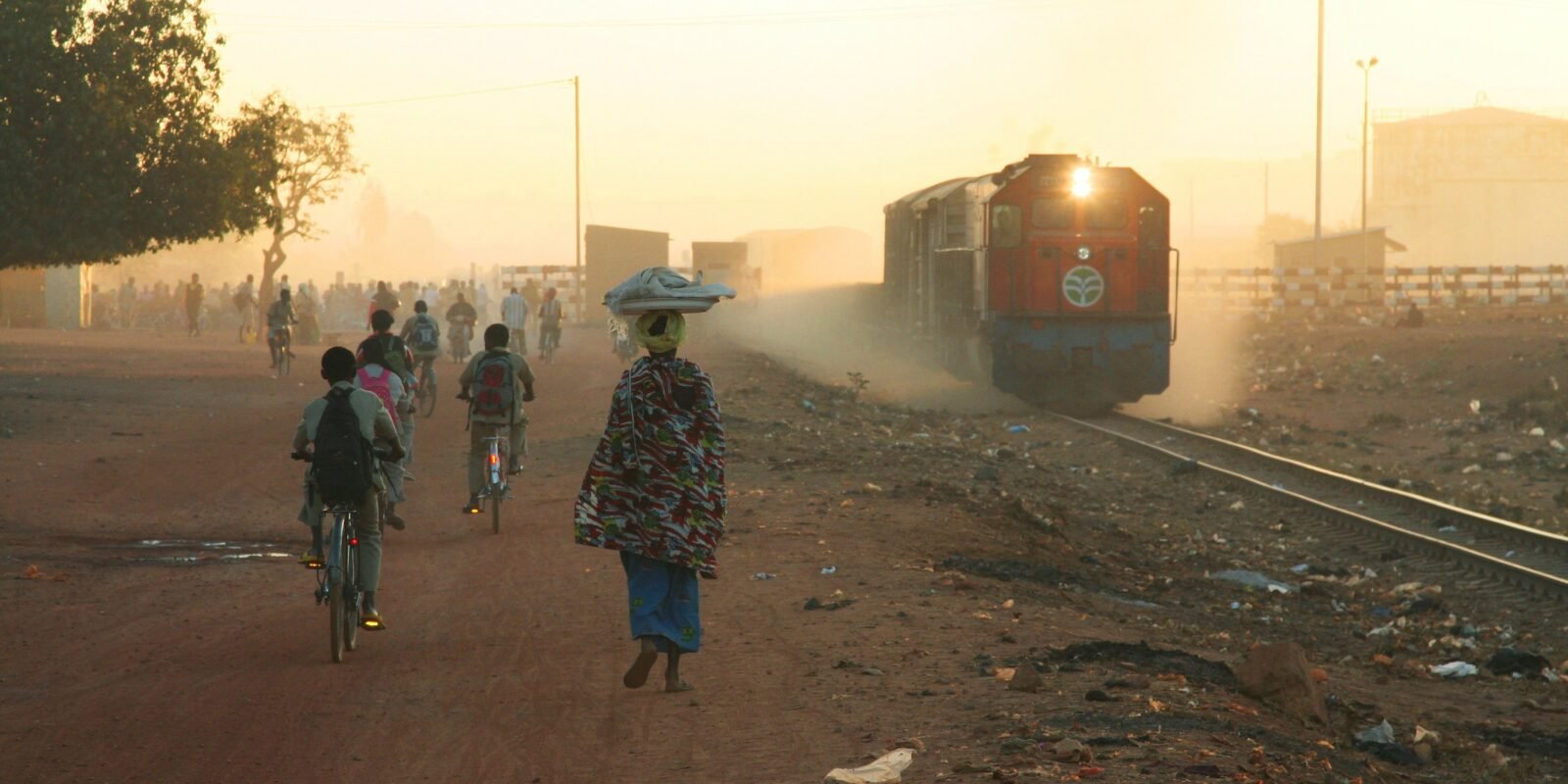
Together with the British Red Cross (BRC) we developed a feedback mechanism for affected populations targeted by the Action for Migrants: Route Based Assistance (AMiRA) programme in a project funded by the Department for International Development (DFID).

As part of the Action of Red Cross on Integration of Relocated and Resettled Persons (ARCI) project, Ground Truth Solutions provided support to the International Federation of the Red Cross and Red Crescent Societies (IFRC), the Croatian Red Cross (CRC) and the Bulgarian Red Cross (BRC).
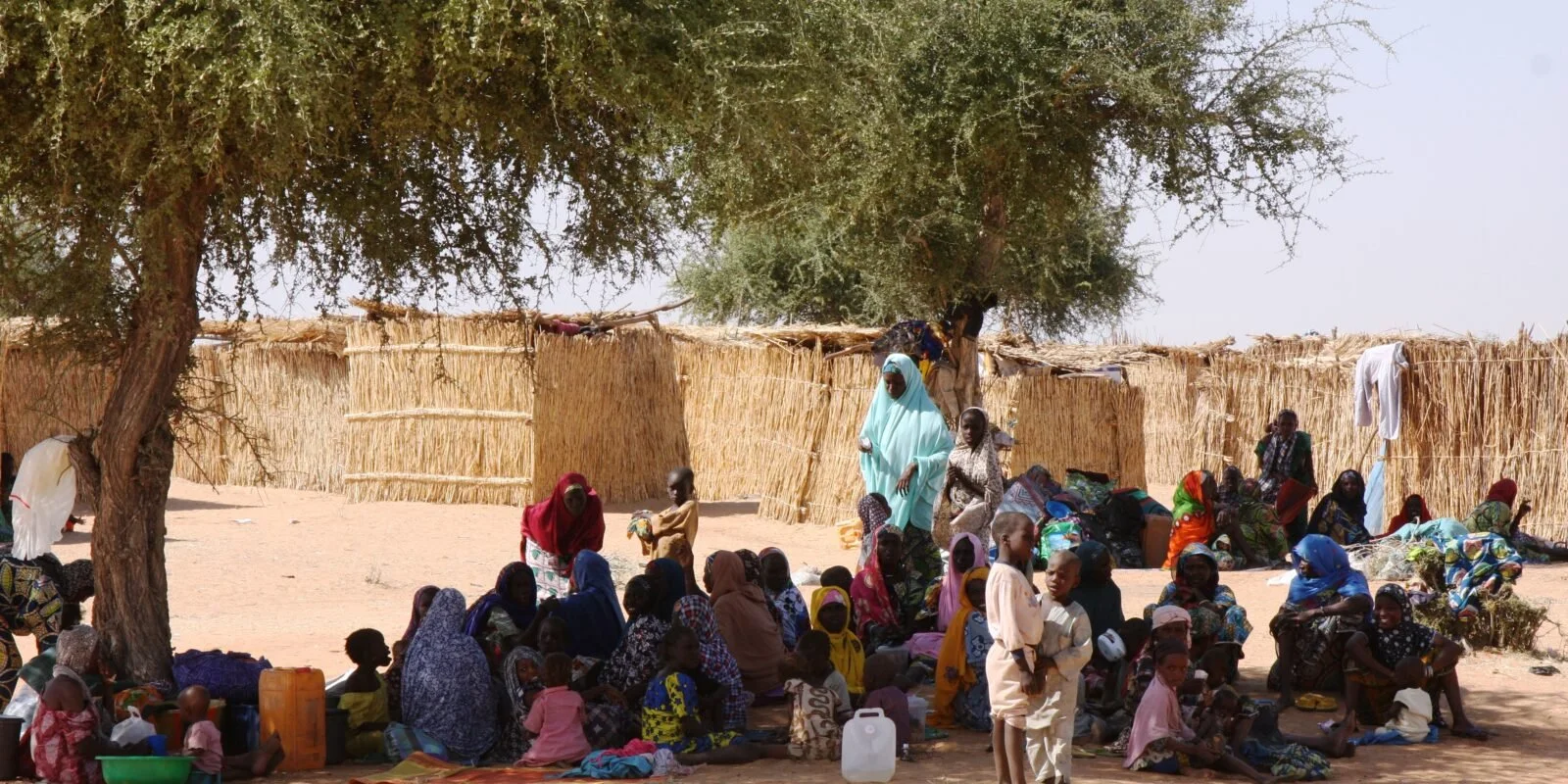
Since 2018, the Foreign, Commonwealth and Development Office (FCDO)-funded North East Nigeria Transition to Development (NENTAD) programme has provided regional assistance for people affected by crisis including in education, treatment of malnutrition, food, and protection to the populations affected by the ongoing armed conflict in the states of Borno, Yobe, and Adamawa.

As part of the Mixed Migration Platform (MMP), we surveyed over 4,000 refugees, internally displaced persons, and asylum seekers in Iraq, Lebanon, Turkey, Greece, and Austria in the course of 2017.

Ground Truth Solutions partnered with the International Committee of the Red Cross (ICRC) to track and understand the perceptions of people who receive assistance, as well as the larger communities affected by crisis. The collaboration was launched in early 2017 with a focus on the Philippines and Afghanistan.

From September 2015 to April 2017, DanChurchAid, Save the Children Denmark, and Ground Truth Solutions jointly implemented the Listen Learn Act project.

To meet the strategic commitment of becoming more responsive to clients – people affected by conflict and disaster around the world – the International Rescue Committee (IRC) launched the Client Voice and Choice Initiative (CVC) in April 2015.
Latest accountability in action publications

Against the odds: Strengthening accountability to women and girls in Afghanistan

Case studies on existing feedback approaches across Fiji government and civil society

Status of Two-Way Communication in Fiji

A Framework for Assessing Success of National CCE Platforms: Summary

A Framework for Assessing Success of National CCE Platforms

The Journey To Build: Fiji’s National Communication Platform

Practical Experiences Building - A Government-Led CCE Platform In Vanuatu

3-step feedback mechanism:
Closed feedback loops with migrants on the move

How to Establish and Manage a Systematic Community Feedback Mechanism

From passive recipients of aid to active citizens in South Sudan

Survey on perceptions of information and shelter -Hurricane Maria - Dominica

Tracking migrant perceptions in Italy

Survey of people affected by Hurricane Maria - Dominica round four

Monitoring perceptions of people served by the Red Cross in Austria and their field staff

Survey of people affected by Hurricane Maria - Dominica round three

Survey of people affected by Hurricane Maria - Dominica round two

Survey of people affected by Hurricane Irma - Antigua and Barbuda round two

Survey of people affected by Hurricane Maria - Dominica round one

Perceptions of people on the migration trail

Ground Truth Solutions survey of people affected by Hurricane Irma - Antiqua and Barbuda round one

ICRC community engagement in Afghanistan and the Philippines

The Search for Standardisation in Feedback Mechanisms
Pilot Case Studies: Integrated Community Case Management Programme

IRC Client Voice and Choice Initiative and Ground Truth Solutions: Protection programme in Juba, South Sudan

Pilot Case Studies: Health Programme