
The data that shapes humanitarian decisions is still overwhelmingly dictated by global actors, focused on globally-defined need and response and ill-equipped to power a more equitable humanitarian system. Local actors and communities affected by crisis are often disregarded as legitimate producers and governors of the data that shapes people’s lives. It leaves those closest to crisis with the least say over how their own realties are recorded and used.
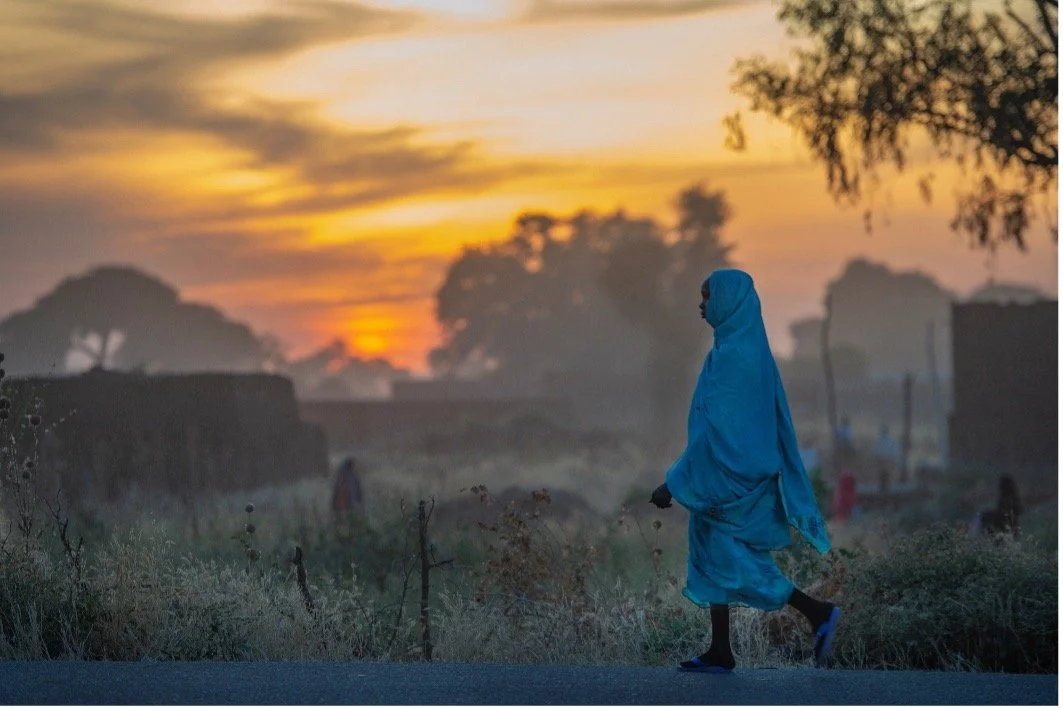
Photo credit: ECHO - Peter Biro 2026
Reshaping that humanitarian data ecosystem depends on first understanding local actors and communities’ capacities, priorities and expectations for data governance and knowledge production. Together with our partners Open Space Works Ukraine and Action for Social and Economic Progress (ASEP), we are working to ensure that local data and knowledge actors and communities shape humanitarian data reform process. Working in Ukraine and Somalia, we are gathering insight on local data capacities all along the data value chain, the barriers they face in having their data and knowledge influence decision-making, and developing locally-produced recommendations on how to adapt humanitarian data governance structures for local leadership.
Where local actors and communities take a more prominent role in deciding what is collected, who owns it, and how it is interpreted, crisis narratives and response strategies become locally owned, bringing the sector closer to its commitment to local leadership, and response decisions closer to the people it is meant to serve.
As part of this project, we are building a directory of local data and knowledge actors in Ukraine and Somalia, are conducting a diagnostic on what data local organisations and affected communities currently have access to, their visibility over and involvement in how data is used for decision-making, what data, tools and processes they would need to lead on decision-making, and their expectations for their role in collective data governance. The findings and recommendations will feed into global data reform processes.
Donor
International Organisation for Migration (IOM)
