Sudan
Devastating conflict in Sudan has worsened an already precarious humanitarian situation, displacing millions of people, and pushing more than half of the population into dire humanitarian need and food insecurity.
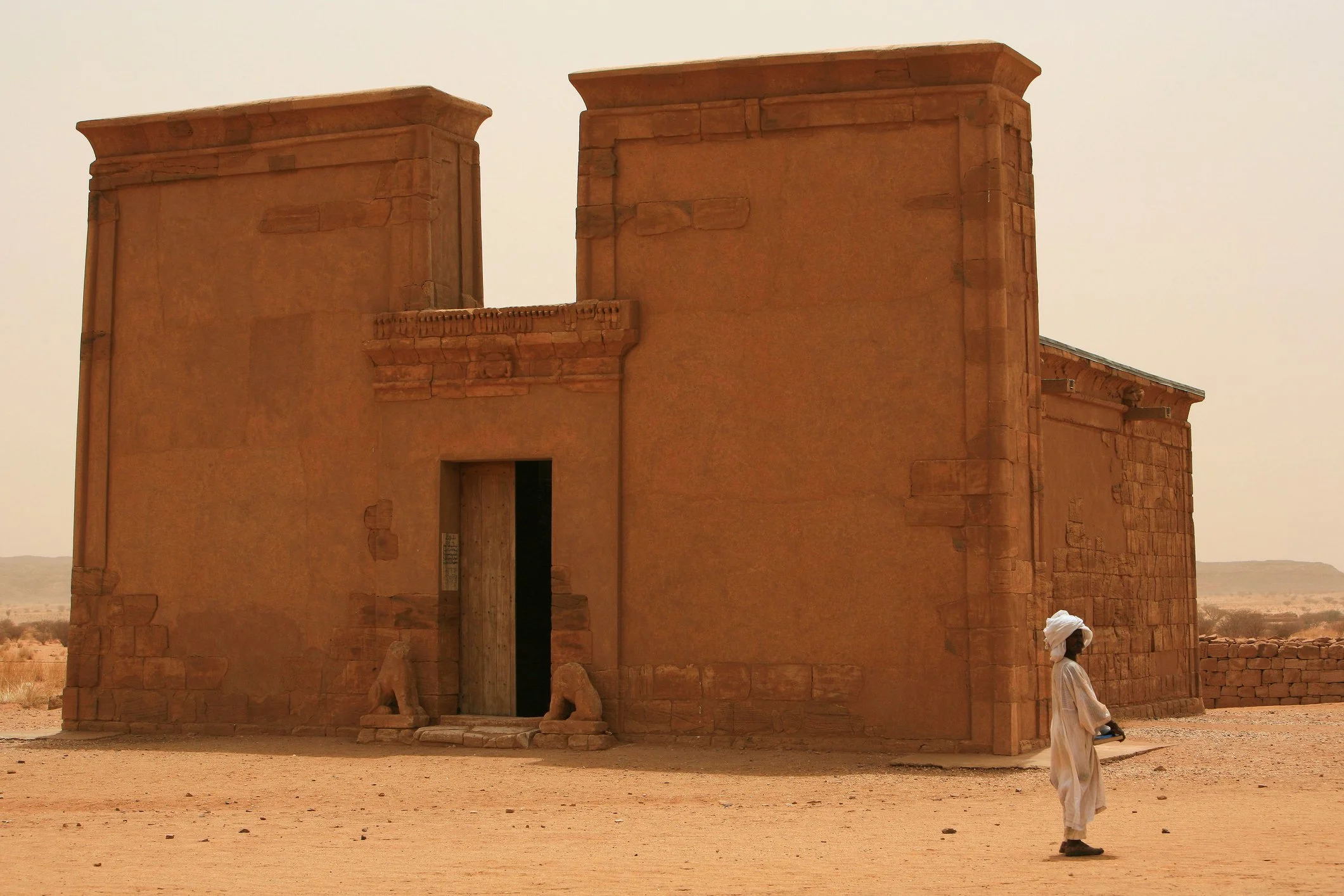
A man in front of the Lion Temple at the abandoned archaeological site of Musawarat Al-Sufra in northern Sudan. Photo: JordiStock, iStock
Overview
Sudan is grappling with a complex humanitarian crisis exacerbated by the ongoing conflict between the Sudanese Armed Forces (SAF) and the Rapid Support Forces (RSF), which erupted in April 2023. Even before the conflict, Sudan was already experiencing severe humanitarian needs, with millions of people facing food insecurity, displacement, and limited access to basic services. The conflict has only worsened the situation, with an estimated 25 million people—over half of Sudan’s population—now in need of humanitarian assistance. This has led to the largest displacement crisis in the world, with over 10 million people forced to flee their homes since April 2023.
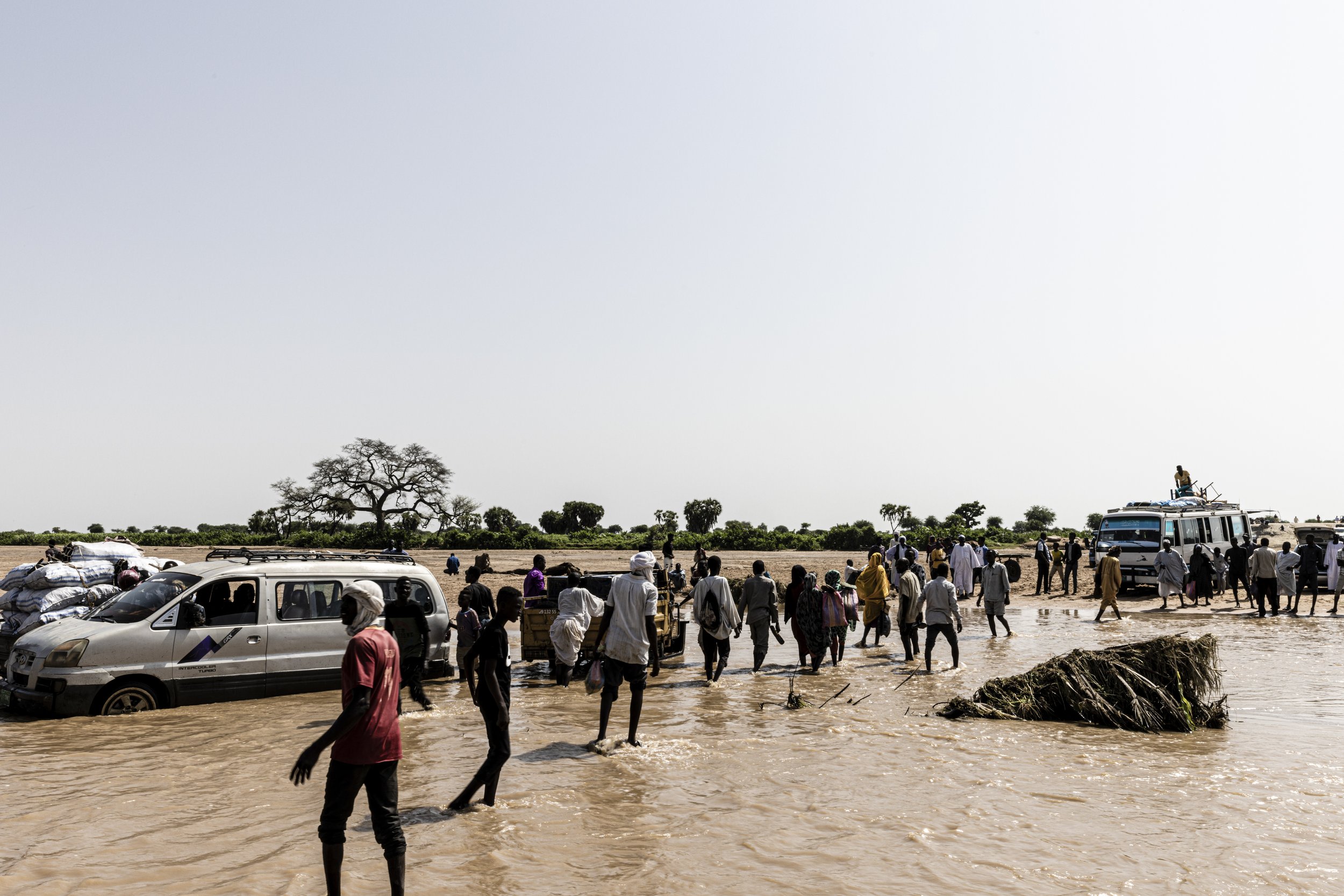
While initially concentrated in the country’s capital, Khartoum, the conflict has spread impacting many other regions of the country. In Darfur, mass killings and displacement have raised concerns of ethnic cleansing. Intense violence, movement restrictions and communication blackouts have severely hampered humanitarian operations across the country. In this context, Sudanese civilians are organizing themselves in various forms to support each other and their communities in meeting their ongoing needs.
Our work
In 2024, with support from the H2H Network, we conducted quantitative research to understand the humanitarian situation in South Darfur and Gedaref states from the perspective of those directly affected by the conflict.
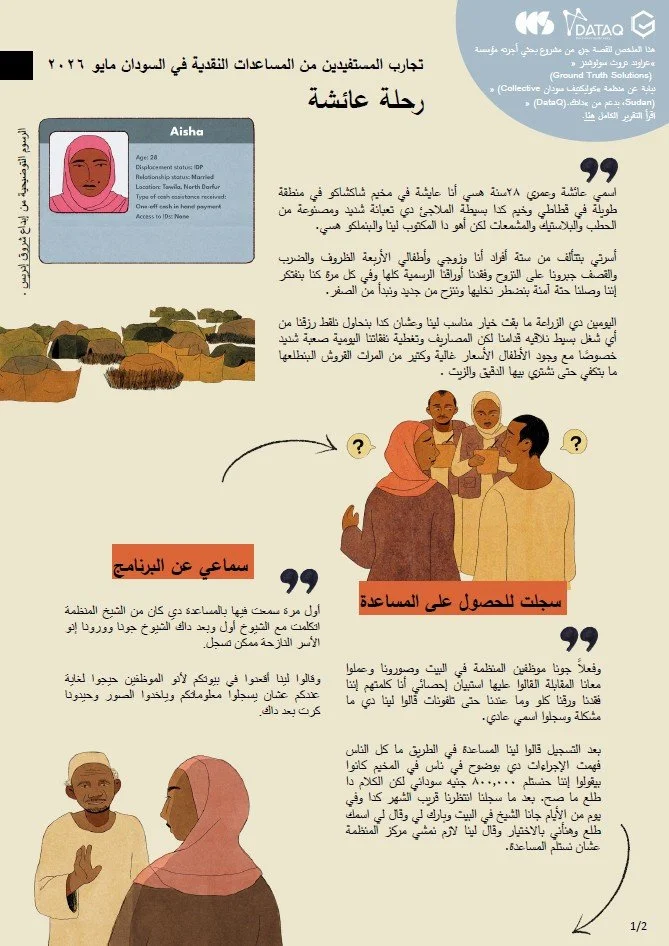
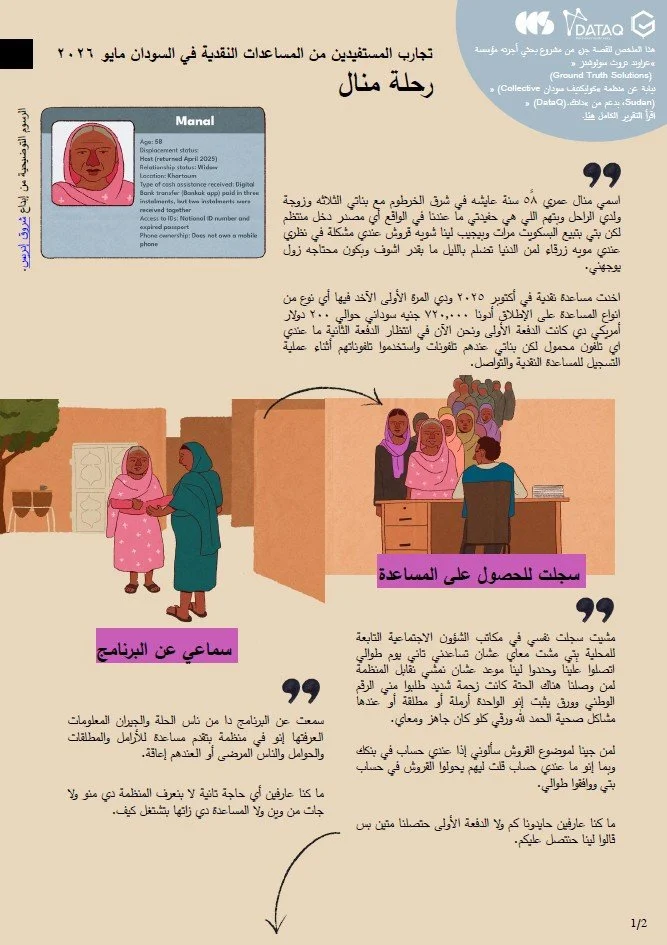
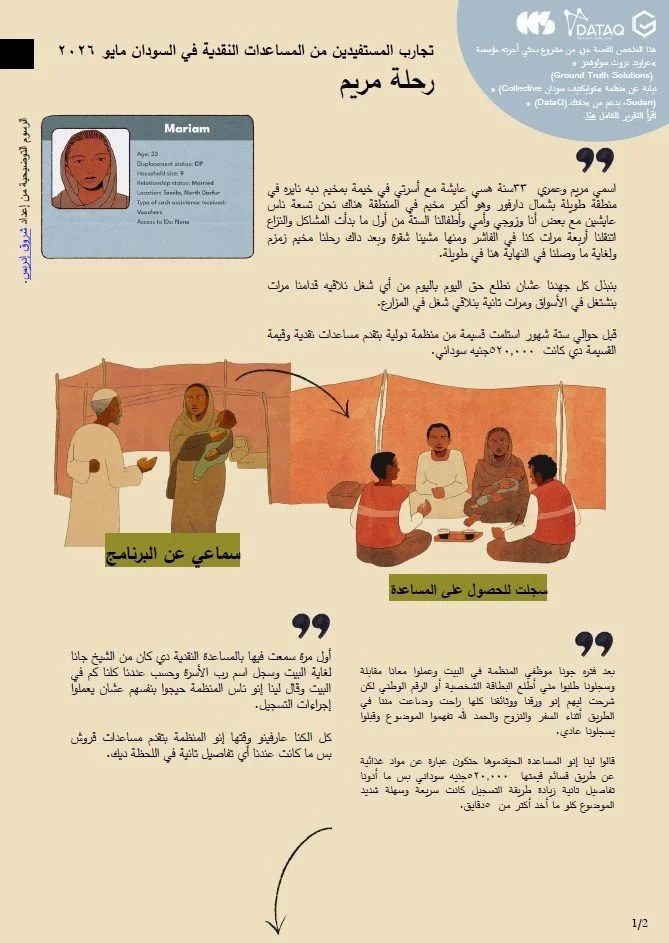
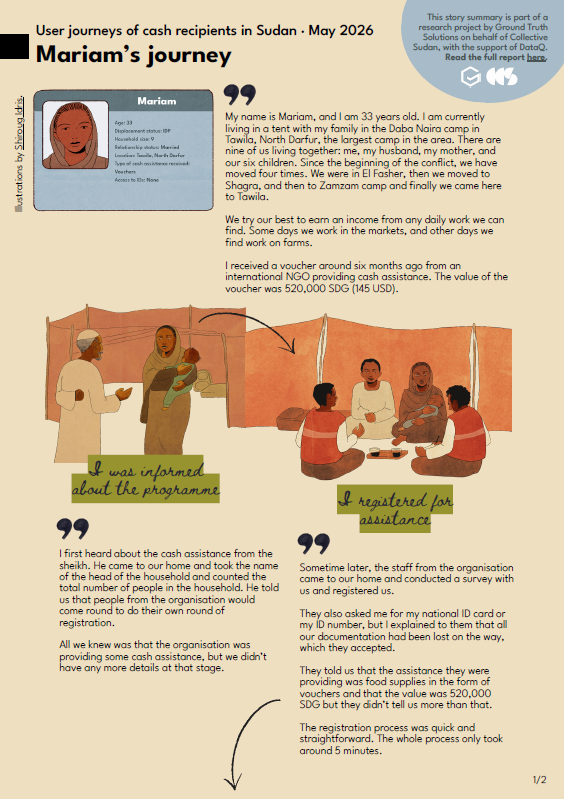
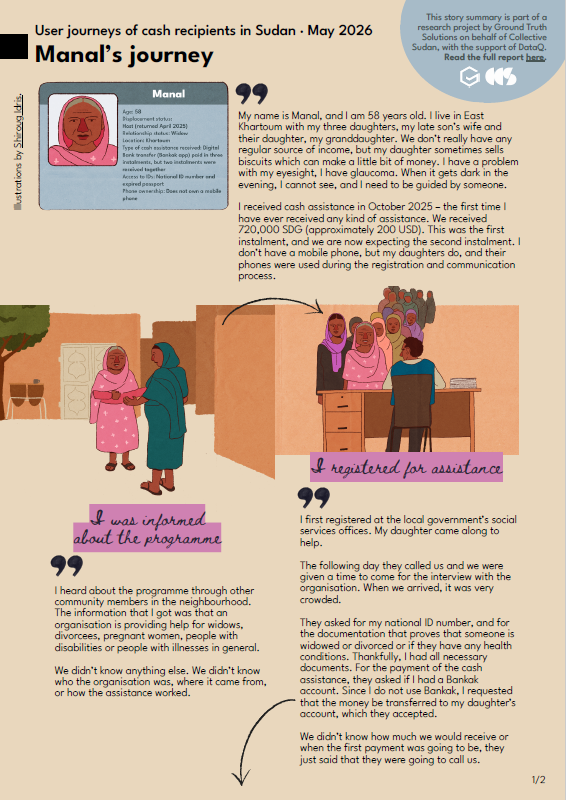
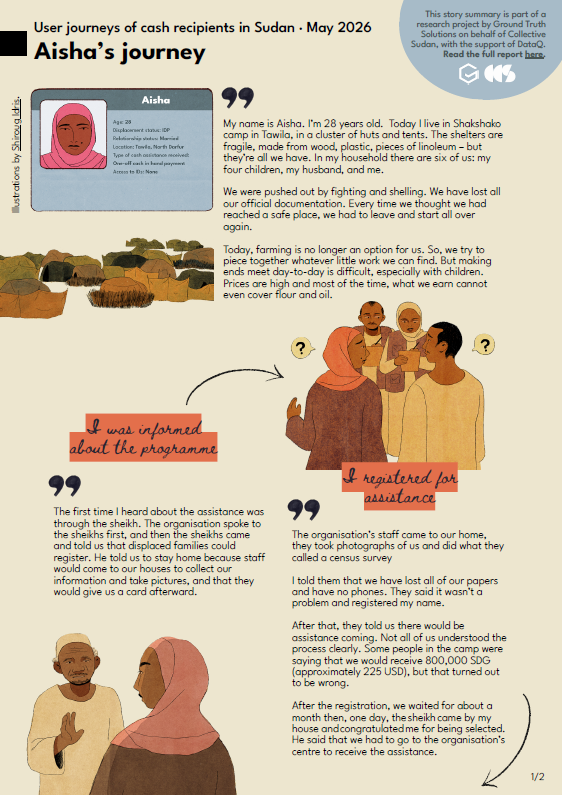
In 2025, we launched a project, together with Collective Sudan (formerly the Cash Consortium of Sudan), to learn about humanitarian cash and voucher assistance in Sudan. Adopting a User Journey approach, this project sought to understand the opportunities and barriers for cash and voucher assistance from the perspective of the people who receive it.