Lebanon
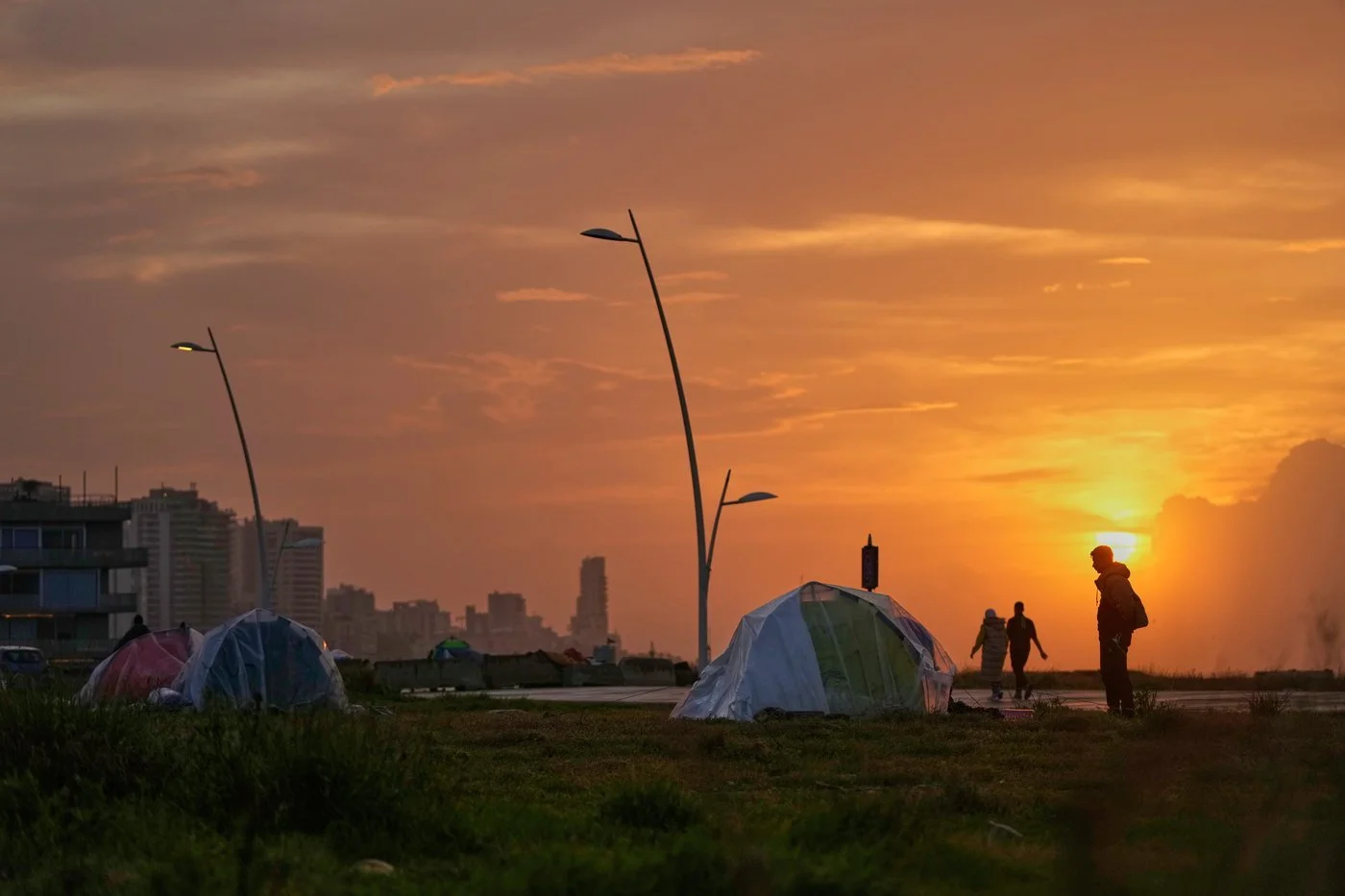
Lebanon has been in deepening crisis since 2019, when mounting public debt, a high fiscal deficit, and political instability triggered a severe socioeconomic collapse – driving the devaluation of the Lebanese pound, rising unemployment, multidimensional poverty, business closures, inflation, and sharply reduced access to foreign exchange and remittances.
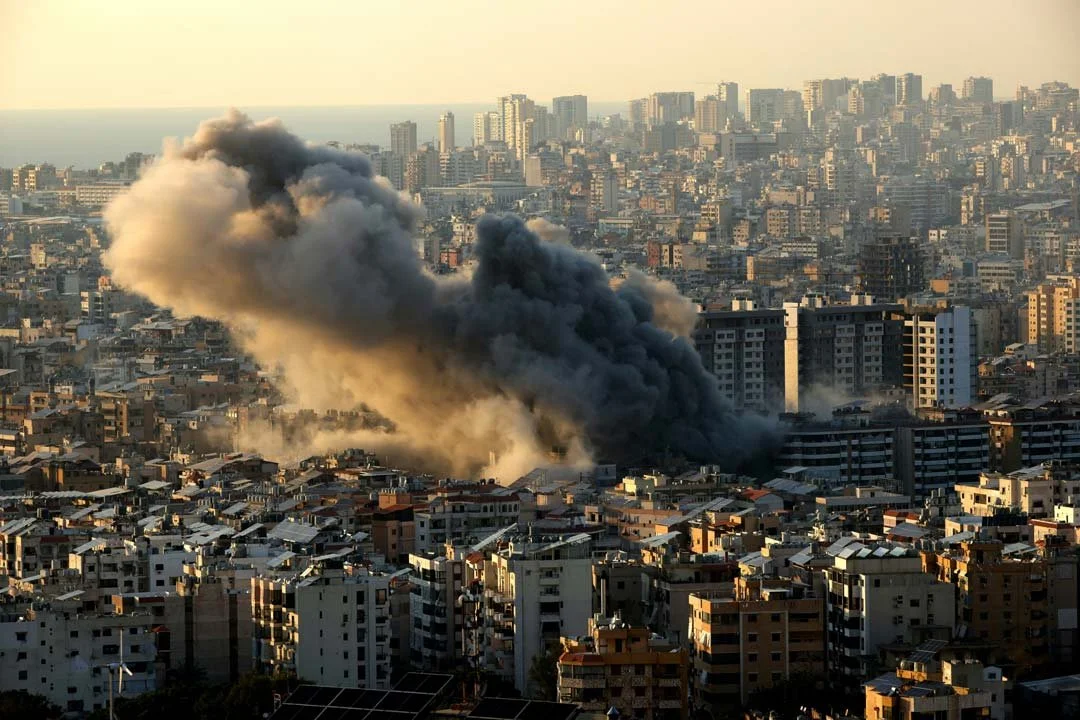
Photo credit: International Crisis Group, March 2026
Overview
Years of compounding shocks – including the 2020 Beirut port explosion, successive waves of displacement, and recurring conflict – had already pushed Lebanon's humanitarian and economic situation to a breaking point before the current escalation. As military hostilities across the wider Middle East have intensified since early 2026, Lebanon has absorbed further shocks to an already overwhelmed system.
A renewed full-scale war began on 2 March 2026, after Israel launched a full-scale military offensive on Lebanon, following Hezbollah's rocket attack into its territory in retaliation for the killing of Iran's Supreme Leader – marking the most significant deterioration in security since the November 2024 ceasefire. According to the Ministry of Public Health, more than 2,700 people have been killed and over 8,300 injured since then, as airstrikes and evacuation orders continue – particularly across the south. The escalation has displaced over one million people, approximately 90% of whom are not accommodated in official shelters and remain largely outside the reach of humanitarian organisations and coordination mechanisms.
Our work
In 2026, with support from the H2H Network, we launched a project to support the Lebanon Humanitarian Development Forum in gathering timely, community-centered insights on how displaced populations and host communities in Lebanon are navigating and responding to the ongoing crisis.