
Ten years on from the World Humanitarian Summit, would the grandest bargain we could make simply be to get out of the way?
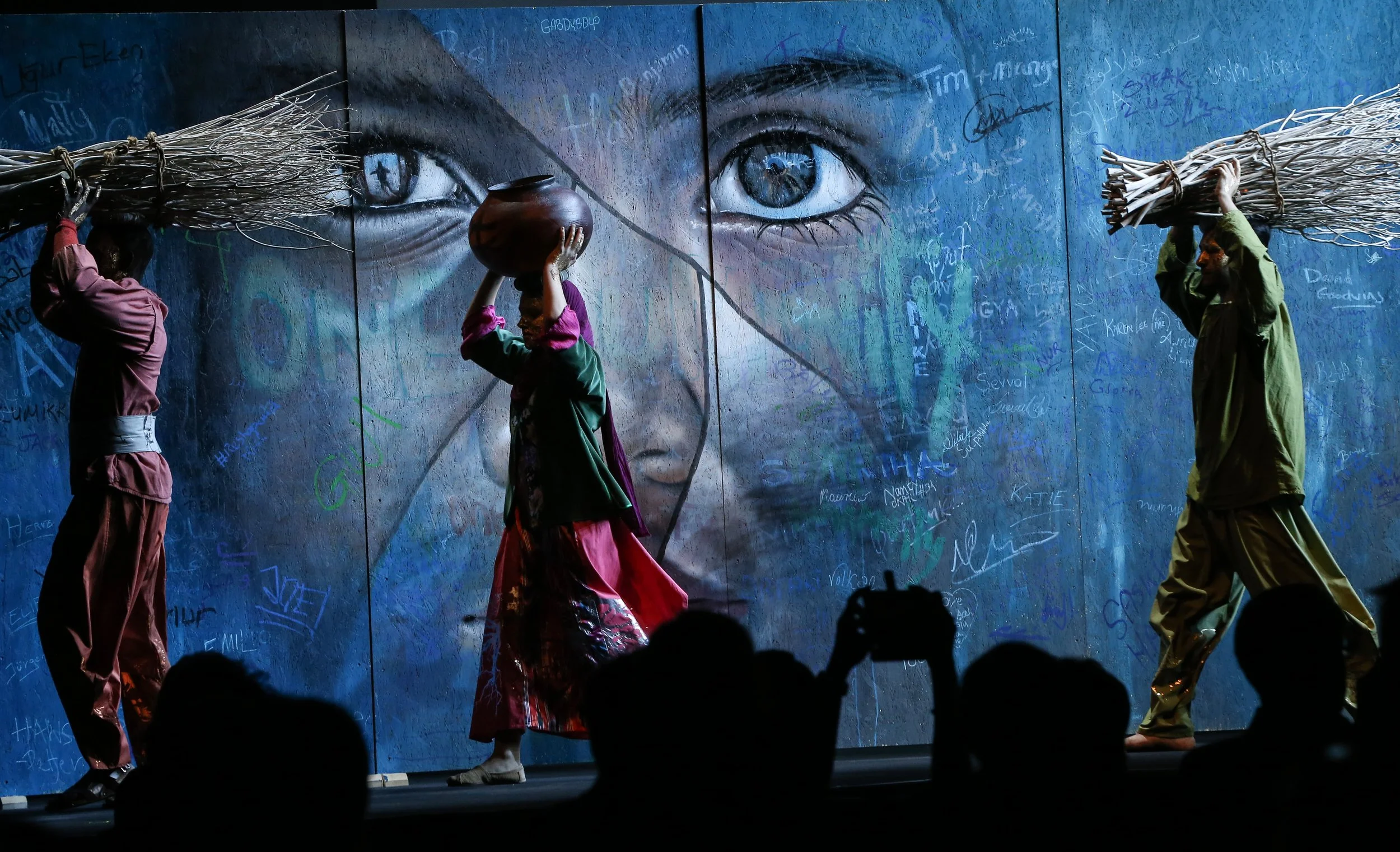
Picture credits: OCHA / Elif Ozturk
Ten years ago, I was thrilled to attend the first-ever global summit on humanitarian action in Istanbul, having just completed some of the most high-impact work Ground Truth had ever done, listening to people living through Ebola. It felt like the dawn of a new era of humanitarianism. A more people-centred system was possible, and exciting. A decade on, I didn’t think I’d be feeling such déjà vu. The clock is now ticking on a so-called humanitarian ‘reset’, but this one is being driven from the top down. The Ebola outbreak in DRC underlines just how unprepared we are to meet growing and unpredictable challenges in a world in which aid budgets have been slashed and old ways of doing humanitarianism are called into question.
Despite the failure of the Grand Bargain to improve on participation and localisation, re-imagining the system is as urgent as progress is slow and lacklustre. To up the pace we must first recognise that the current set-up hasn't delivered for those it is supposed to serve. A decade and a half of feedback data from people affected by crisis provides compelling evidence of where things have fallen short.
The latest Ground Truth Solutions Global Report, published last month, underlines how aid is too often misaligned with people's top priorities, frequently misses the most vulnerable, and doesn't adequately support communities' own initiatives to build better futures. Nor does it work in effective partnership with local civil society.
Circling the wagons
Rather than using this evidence as the starting point for change, there is a circling of the wagons with the heavy weights of the existing system – UN OCHA, UNICEF, WFP and UNHCR – charged with rethinking it. No surprise if their instinct for survival influences their deliberations and is then reflected in their recommendations.
Some months into the reset, the emphasis seems to be on doing less of the same. The 2026 Global Humanitarian Overview, a planning document compiled by OCHA, slashes the number of people seen as a priority to just 87 million out of 239 million identified as in need. While arbitrarily shrinking the target group, OCHA also proposes narrowing the focus to "life-saving aid", like food and basic shelter, not the longer-term solutions that most displaced people see as their priorities.
Rather than less of the same, what we need is more and different. That is only likely if we anchor humanitarian action in the capacity and experience of communities and people hit by crisis rather than the now cash-strapped international organisations trapped in old models of humanitarian action. Communities are the first responders in times of crisis and it is past time to recognise the key role they have long played, build on their local knowledge and, yes, harness their desperation as a force for positive change in their lives.
Communities must have power to decide
Against the odds, communities have shown their mettle, organising themselves, pooling their scarce resources, and looking out for one another. What they have not acquired is any real influence over decisions to allocate resources or to design and run internationally-led programmes. This must change unless we are to get a reset that looks like a poorly funded version of the way things were before.
Asserting the primacy of communities in future arrangements and recognising the need for radical change in the distribution of power does not mean that the established players should all leave the stage. Applying a version of the EU subsidiarity rule, the international players could focus on doing things communities cannot do – or cannot do as well. This includes mobilising resources from donors and passing them through to the local level. In doing so, they need to stop taking a disproportionate slice of the funds they channel downstream - often more than 30 per cent.
They will also need to persuade donors to set aside concerns about the risks they associate with funding local organisations. These fears of fiduciary exposure seem overdone considering the dangers inherent in any humanitarian action and the risks donors already accept in supporting the traditional players in an underperforming system.
More attention to norms and principles
International organisations will need to do more on promoting and monitoring respect for the norms and principles of humanitarian action, as they did before they became operational behemoths a few decades ago. They also have an important part to play in sharing experience across geographies and disseminating good practice.
Crucial too will be bridging that famous gap between humanitarian action and the development banks whose long-term approach and focus on resilience are exactly what people hit by humanitarian crises see as priorities. Finally, international organisations have an advantage in galvanising action to support national and local efforts in dealing with sudden-onset and other complex emergencies like today’s Ebola crisis.
With operational responsibilities largely delegated to local organisations, some UN agencies and international NGOs will be forced to consider merging with one another. Others will likely close shop. Savings on staff and administration will free up resources for humanitarian needs unmet by depleted aid budgets.
Reframing the old humanitarian system along radically new lines will demand a carefully managed transition. The promise, though, is to improve the outlook for the many people caught up in conflict and precarity, and to avoid the ripple effects that roil global politics.
Nick van Praag is the founder of Ground Truth Solutions.
