Women on the frontlines of Afghanistan’s climate crisis
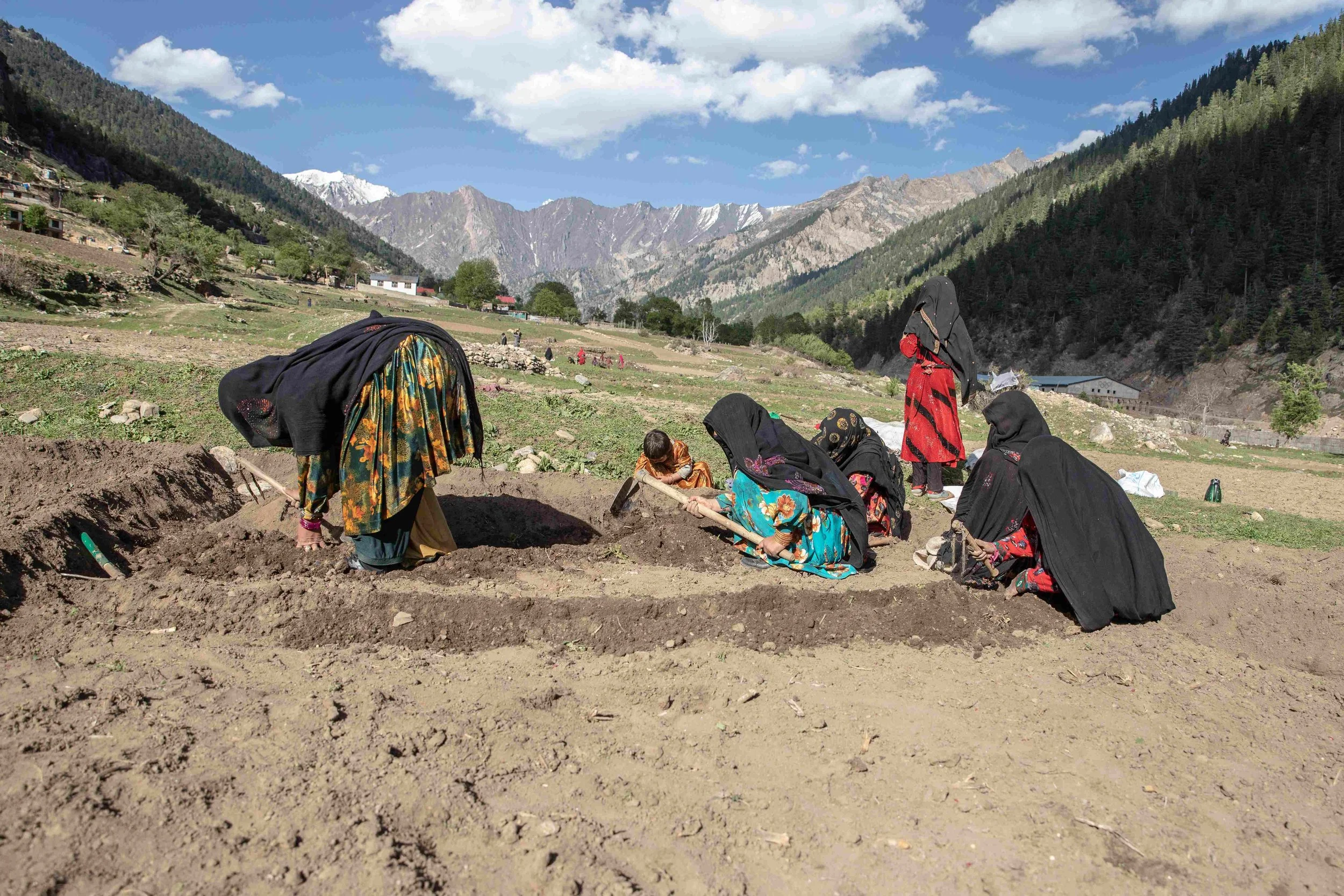
Despite producing just 0.015% of global greenhouse gas emissions, Afghanistan is facing some of the worst impacts of climate change. Known for its snow-capped mountains and fertile valleys, the country now faces an alarming rise in extreme weather events – in particular prolonged droughts and flash floods. Shifting seasons and erratic rainfall patterns are becoming the new normal. Ranked among the most climate-vulnerable countries in the world, Afghanistan’s vulnerability is compounded by decades of conflict, chronic poverty, weakened infrastructure, and limited government capacity. And the impacts of climate change hit women and girls – already facing an erosion of their rights under the De Facto Authorities – the hardest.
Photo credit: Sayed Habib Bedil, UN Women

In a country where 70% of the population relies on agriculture for survival, climate change threatens the very fabric of rural life. Worsening droughts have decimated harvests, dried up water sources, and killed farm animals. Sudden floods wash away homes, infrastructure, and livelihoods in a matter of hours. These shocks are driving widespread food insecurity, displacement, and loss of income, leaving families with few options and few places to turn for help.
Photo credit: Sayed Habib Bedil, UN Women
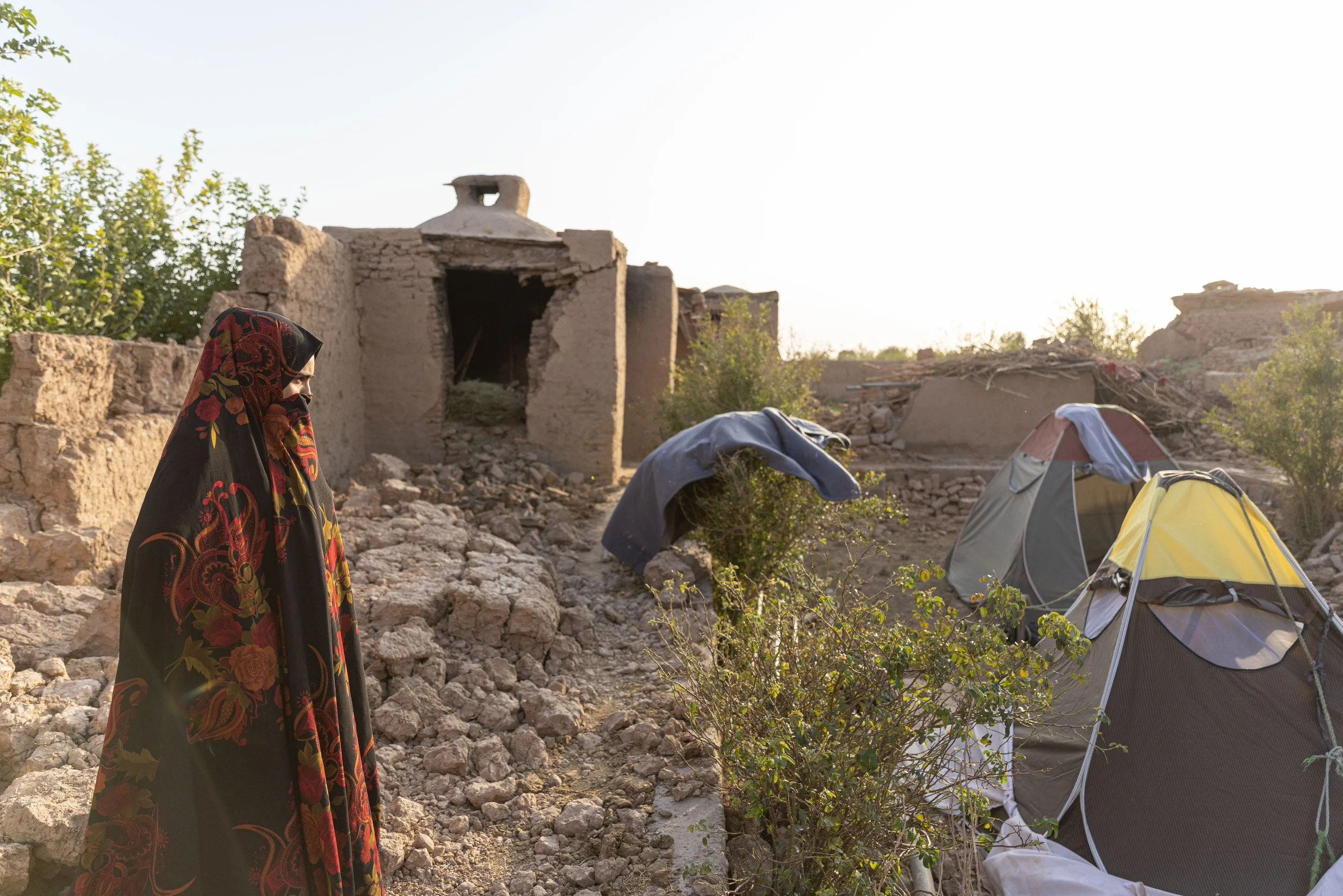
The climate crisis affects everyone, but not equally. Women, particularly those heading households or living in remote rural areas, are among the worst affected and least supported. They face unique barriers to accessing aid, rebuilding homes, or securing alternative livelihoods, while carrying the heavy burdens of caregiving, household management, and community survival. Social norms often restrict their mobility, limit their visibility in public decision-making, and reduce their access to essential information and services, compounding their vulnerability during and after climate disasters.
Photo credit: Sayed Habib Bedil, UN Women
In September 2024, Ground Truth Solutions, in collaboration with Salma Consulting and with the support of UN Women and the Gender in Humanitarian Action (GiHA) Working Group, spoke to 2000 people to better understand how Afghan communities are experiencing worsening natural disasters.
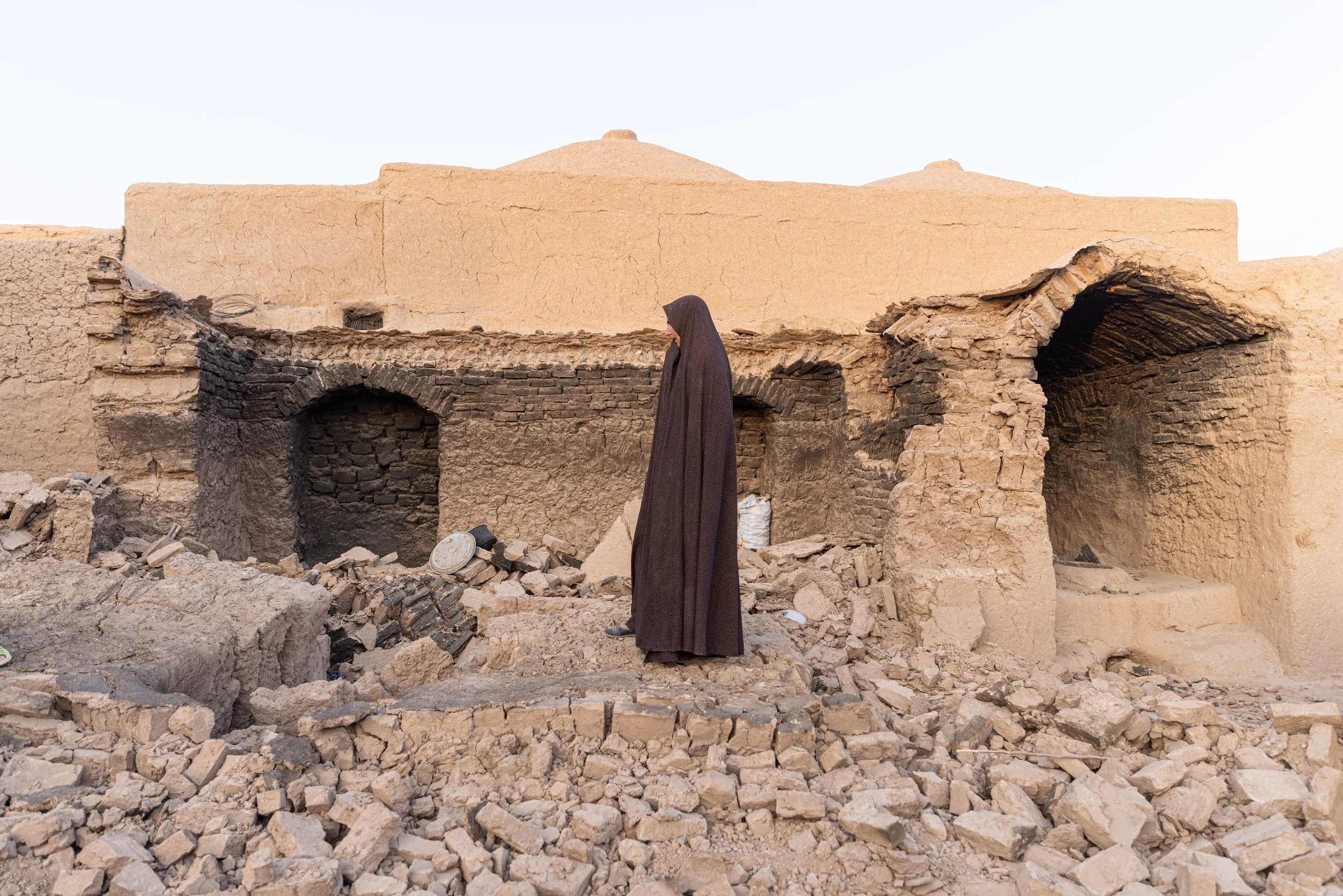
This photo series brings to light the stories of women like Rokhsar and Meena - mothers, survivors, and household heads navigating the harsh realities of climate change in a context already marked by deep inequality.
Photo credit: Sayed Habib Bedil, UN Women
Floods in Baghlan
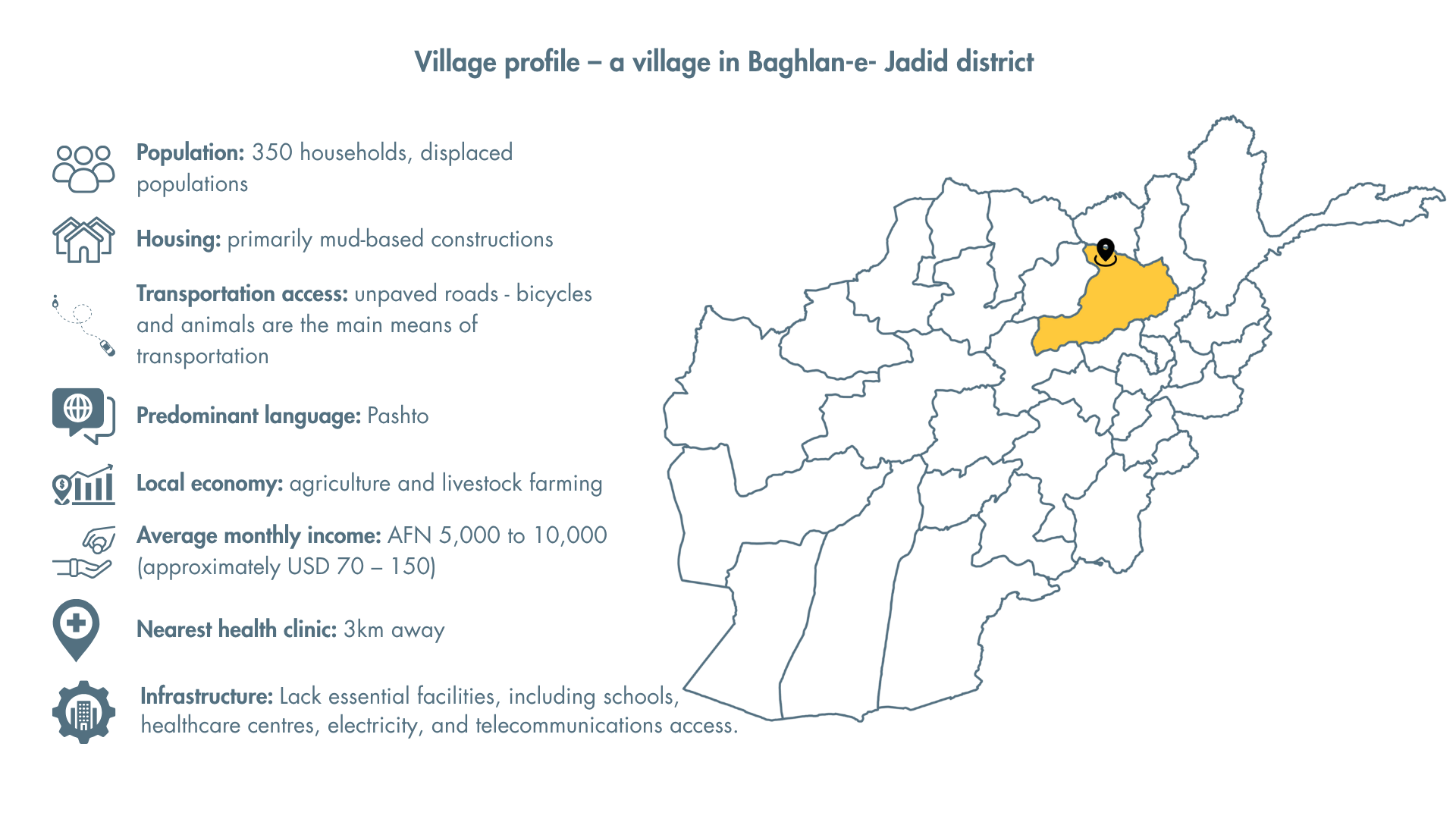
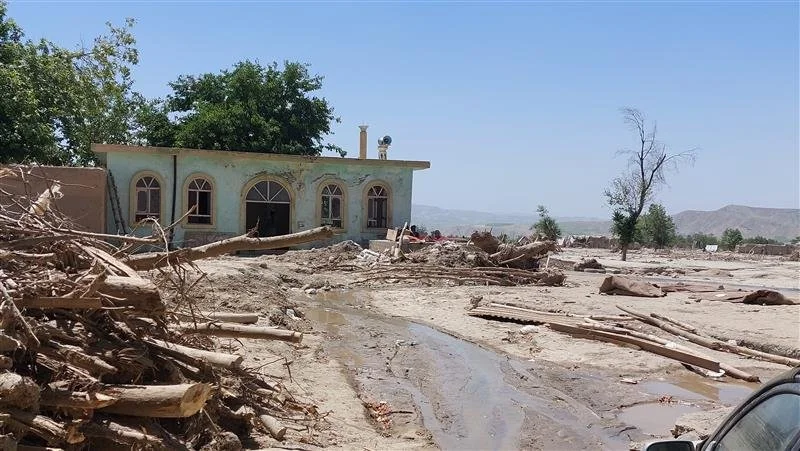
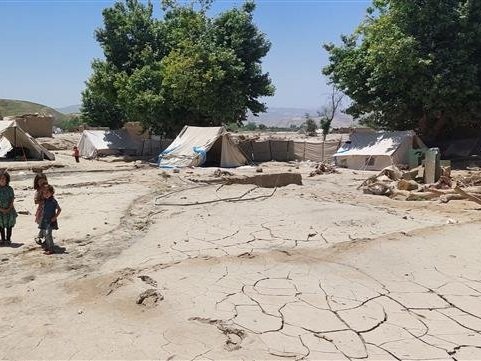
In May 2024, Baghlan province in northeastern Afghanistan was hit by devastating flash floods. An estimated 60,000 people were affected, over 5000 families displaced, 315 people and 14,000 livestock animals were killed, and 24,000 hectares of agricultural land destroyed. Damage to infrastructure like roads and bridges made relief efforts difficult.
Story 1: Women struggle to rebuild after the floods
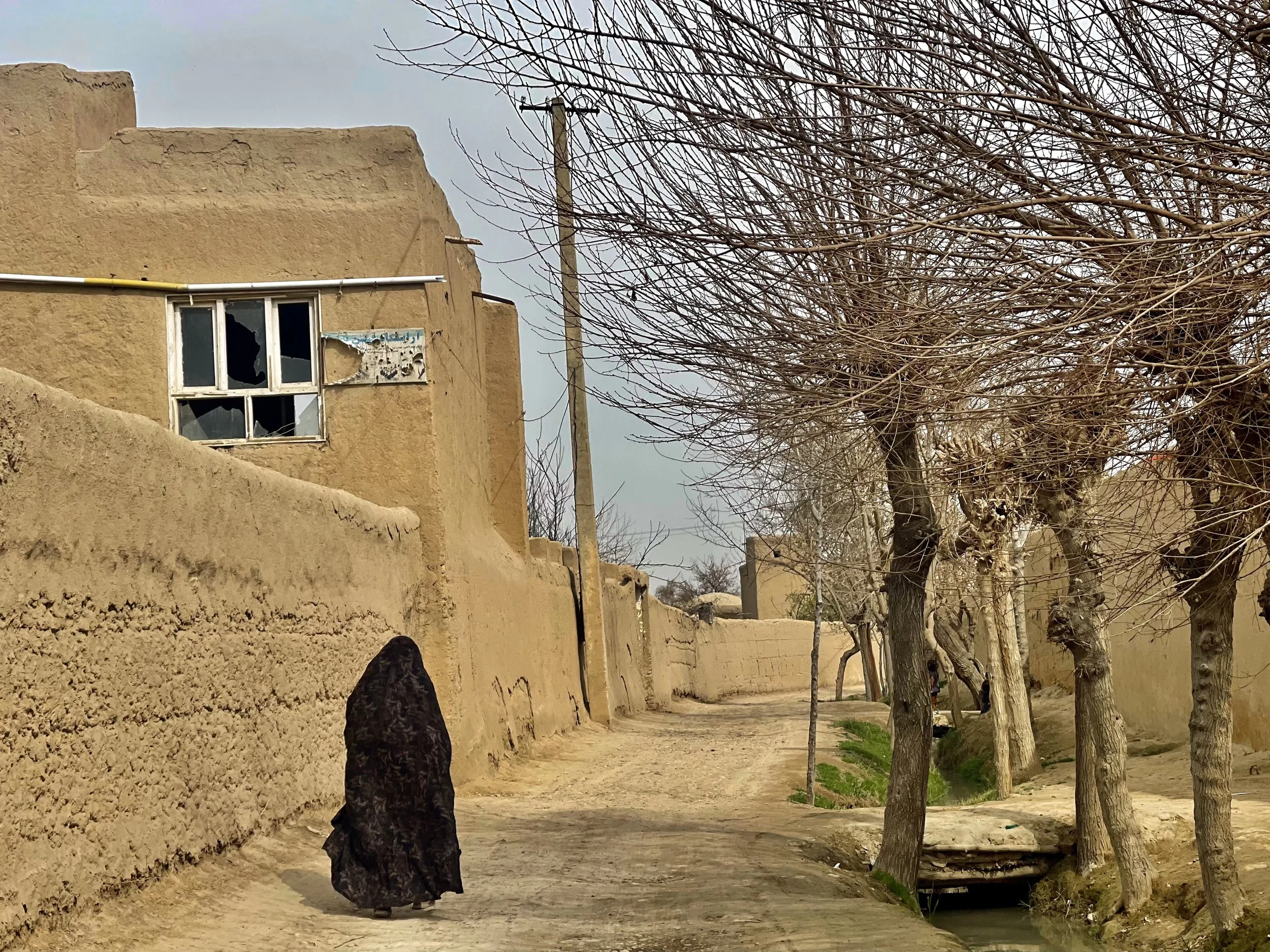
Meena is a mother of five, and her eldest child has a disability. She lives in a village in Baghlan-e- Jadid district, relying on livestock to support her family. Unlike most households in her community, where men are the primary providers, Meena was the sole breadwinner. Her husband, struggling with drug addiction, was unable to contribute to the family's livelihood. For years, she sustained her household by selling dairy products to purchase food, clothing, and other essentials.
Photo credit: Ahmad Fawad Fayez, UN Women
Meena reflects on the May floods: "Floods are devastating, they take everything. People lost their animals, homes, and land. The flood destroyed our house and even took away our water wells. I lost two of my goats when a wall collapsed on them as the water rushed in. In just moments, everything we had was gone."
Meena not only struggles to provide food for her children now but also faces the immense challenge of rebuilding her home. As a woman in her community, these tasks are even more difficult, not only because of limited access to materials and resources, but due to prevailing social norms that discourage women from being seen outside the home. This makes it harder for her to seek help or engage in visible rebuilding efforts.
Photo credit: Najia Alizada
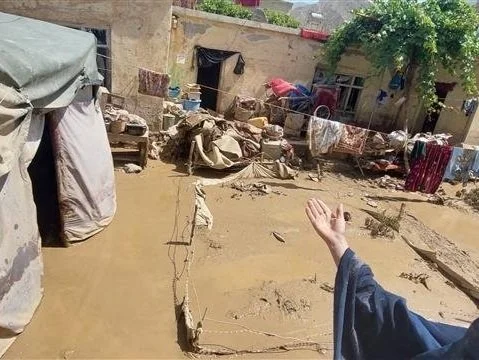
“My struggles were even greater than others because I had no man to support me during the disaster. While other families had help, I had to face everything alone. As the head of my family, providing food, clothing, and basic needs for my children is not easy. We have no one to rebuild our house, while others have already started because they have men to do the work.”
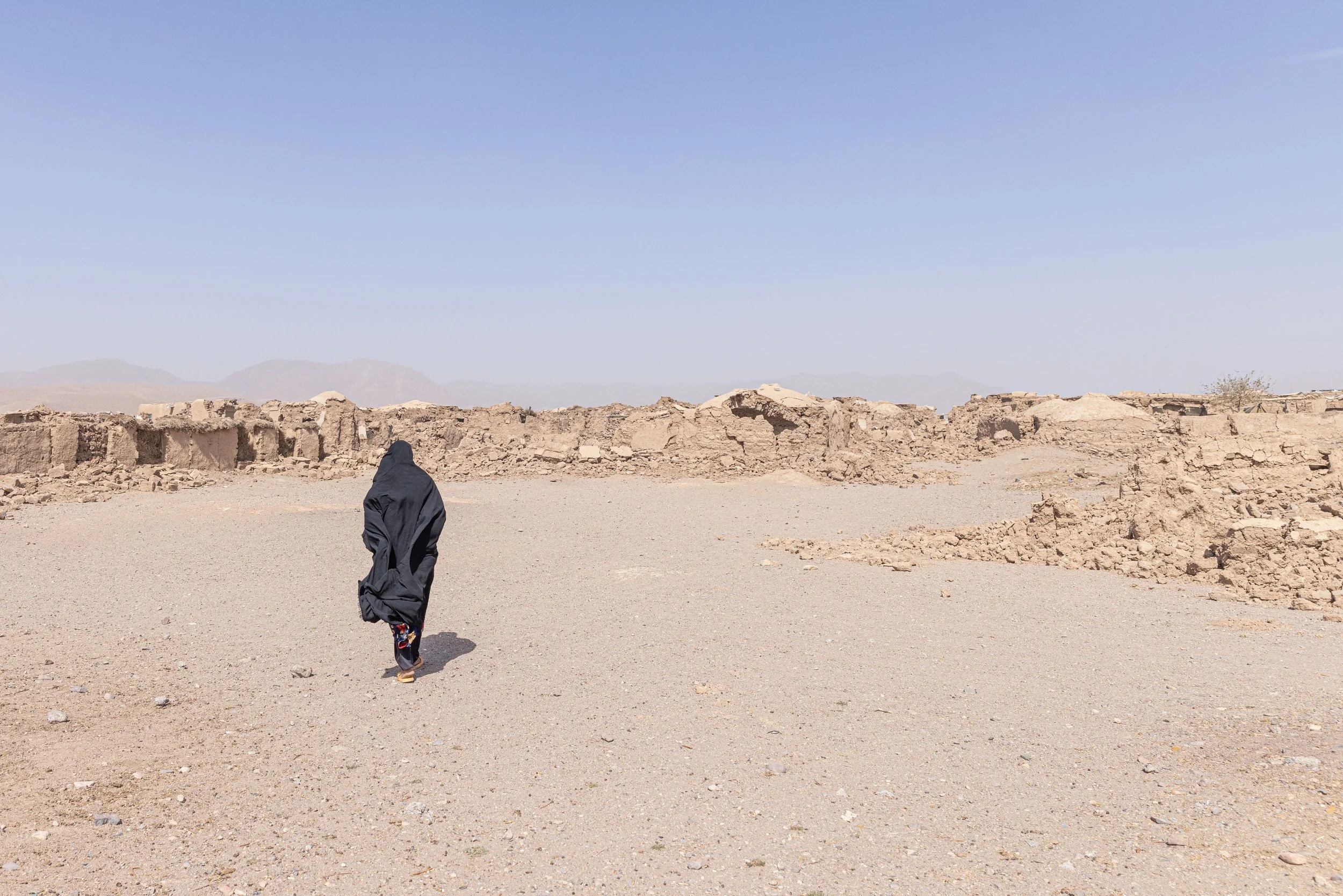
As the head of her household, Meena faces heightened safety risks during both the disaster and its aftermath. During the disaster, she spent over two months in a tent, feeling exposed and in constant fear, particularly at night. Now, she lives in the ruins of her former home, its walls crumbled and its structure barely holding. These ongoing challenges have led to severe mental distress.
Photo credit: Ahmad Fawaz Fayez, UN Women Afghanistan
"We didn’t feel safe at home because our house was destroyed and full of mould. A man might manage, but for women, it is different. In a community struggling with hunger and hardship, having no protection makes it even harder. Without a man in the household, there was no one to ensure our safety."
With no stable source of income and a home that remains in ruins, Meena hopes that humanitarian organisations will step in to support her, helping with the reconstruction of her house and providing her with an opportunity to earn a livelihood so she can sustain herself and her children.
Photo credit: Ahmad Fawaz Fayez, UN Women Afghanistan
Drought in Faryab
Faryab has been impacted by severe drought for over 25 years. This has significantly affected livelihoods, particularly agriculture which is the primary source of income. Several non governmental organisations have focused on development work, such as building wells, improving water canals, and promoting drought-tolerant farming practices and seeds. While these initiatives have provided some support, they have not significantly improved overall conditions. In recent years, limited humanitarian aid, mainly cash, has been introduced, but the drought remains a long-term crisis with no immediate resolution in sight.
Story 2: Leading through drought
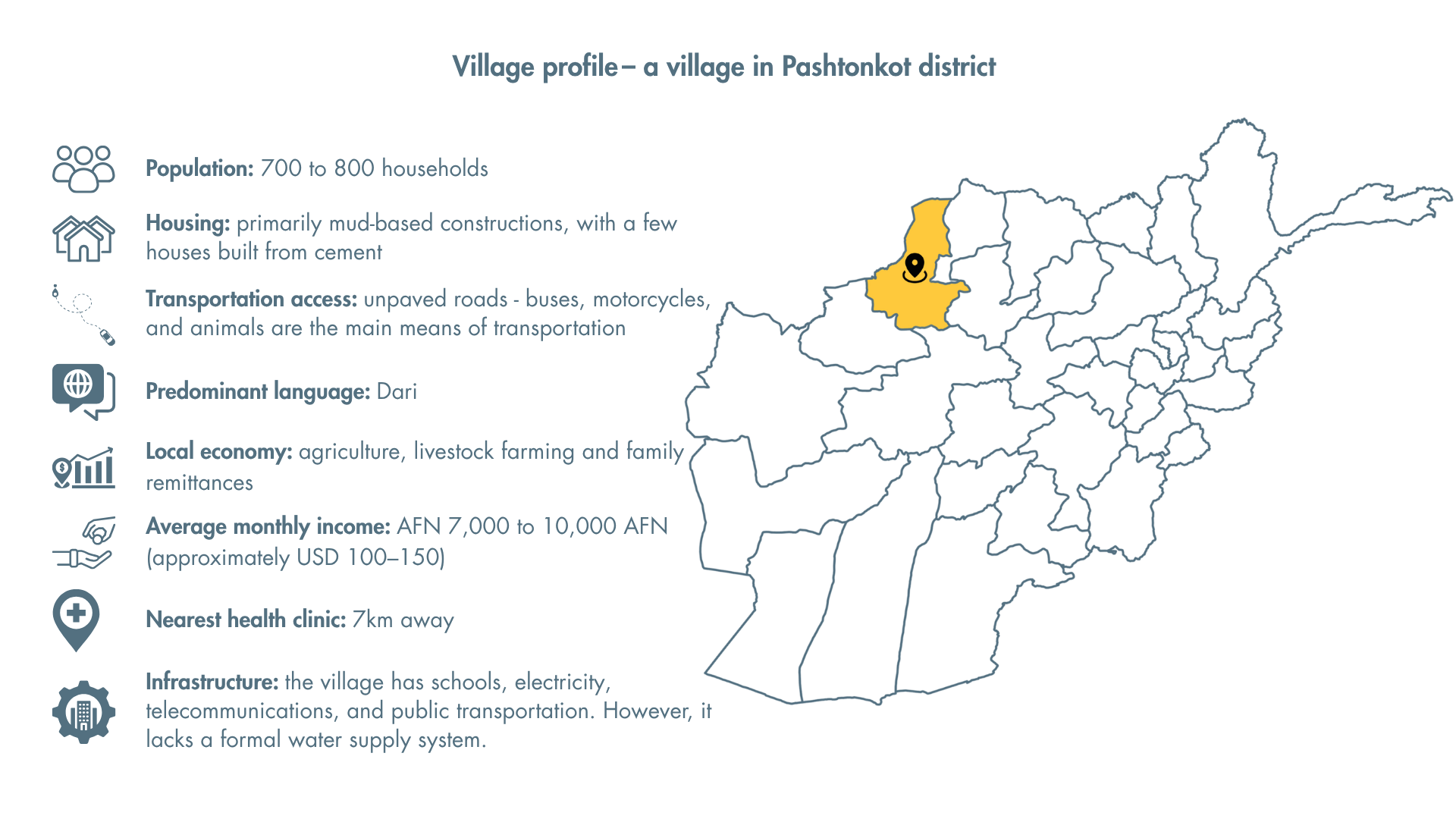
Rokhsar lives in a village in Pashtonkut district with four children. She lost her husband 15 years ago and now lives with no support, no certainty, and overwhelming responsibility.
"I am the head of my family, I am responsible for raising and feeding my children, but I have suffered a lot. There was never enough support for us."
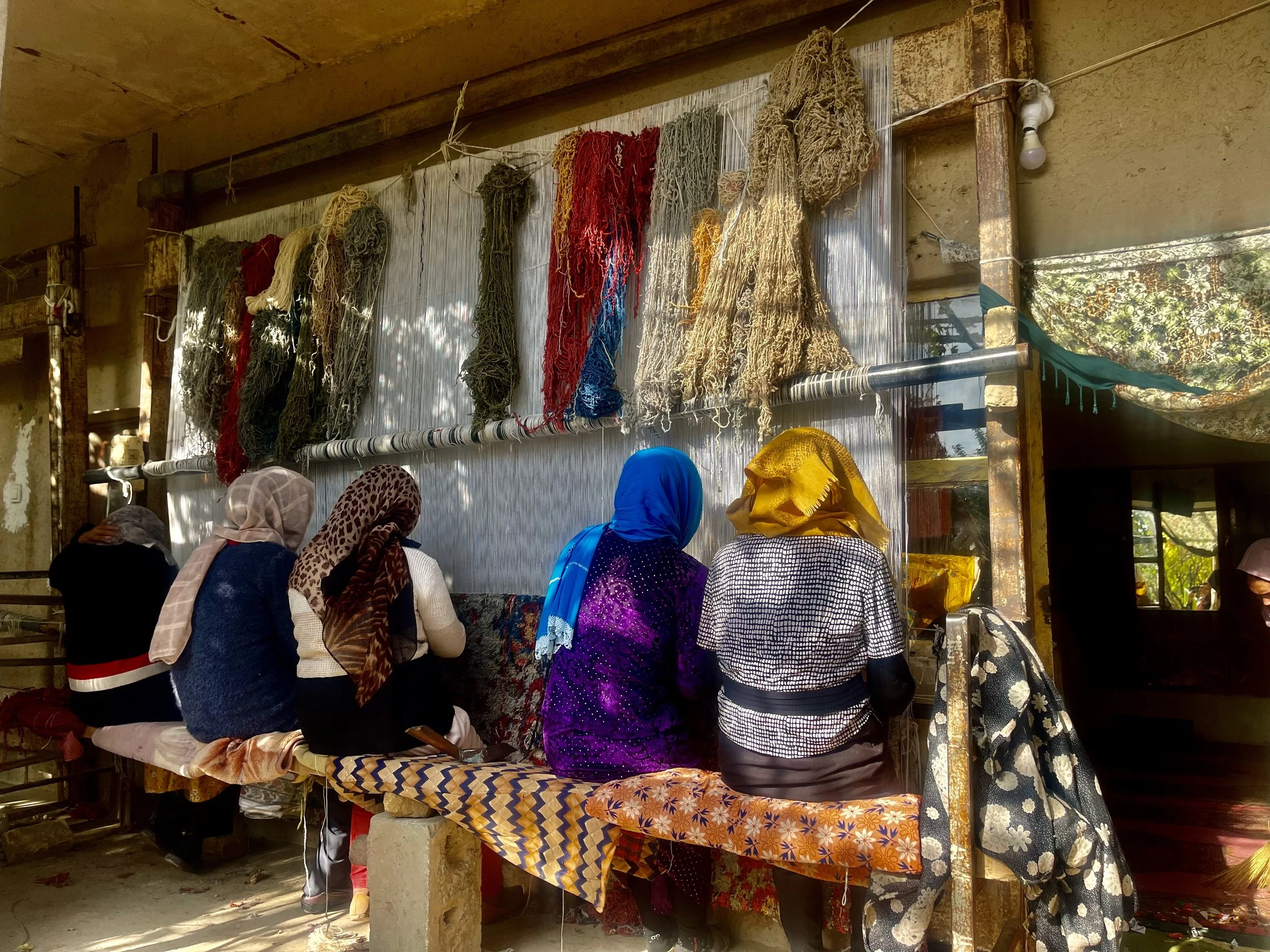
Drought has had a severe impact on the village for nearly a decade and has made survival even harder for Rokhsar. Once, she had goats and cows to provide milk and income, but when the lands dried up she could not feed them, so she sold them. Food prices have skyrocketed, and the once self-sustaining community now depends on costly imports from other provinces. Her children have taken on responsibilities beyond their years. The boys work in the fruit market, bringing in whatever meager earnings they can, while her daughters do embroidery and help with carpet weaving.
Photo credit: Najia Alizada
Water scarcity is a relentless challenge for Rokhsar and her children. The prolonged drought has dried up the deep wells in the village and community members predominantly rely on streams and rivers for water.
However, the water quality is significantly compromised, posing serious health risks.
Rokhsar shares her struggles, saying, “we don’t have proper access to water at home, the wells dried up and now we rely on the mosque’s water supply for drinking. Sometimes I have to ask neighbours for clean water, but they can’t help me every day.”
Photo credit: Sayed Habib Bedil, UN Women
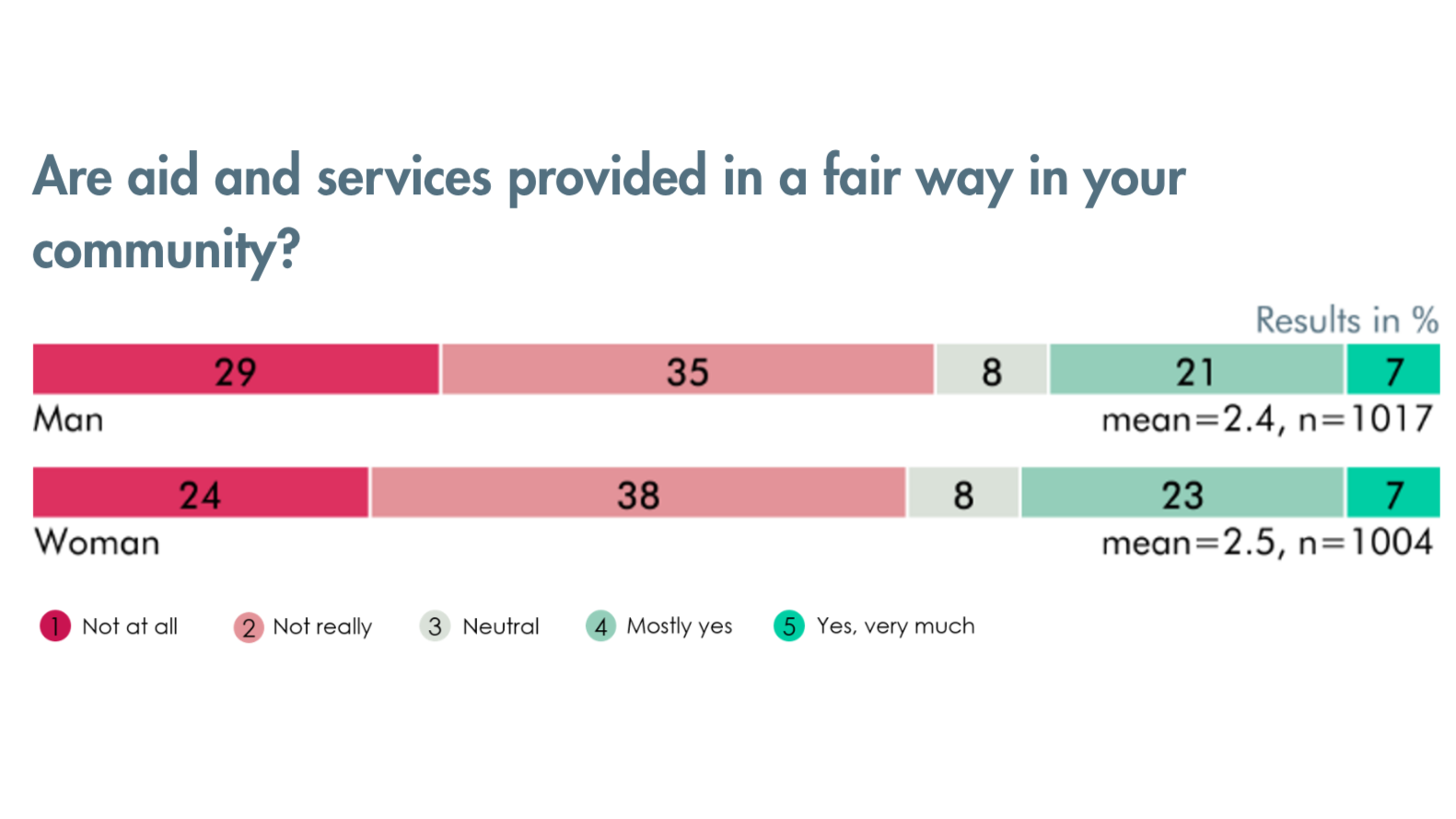
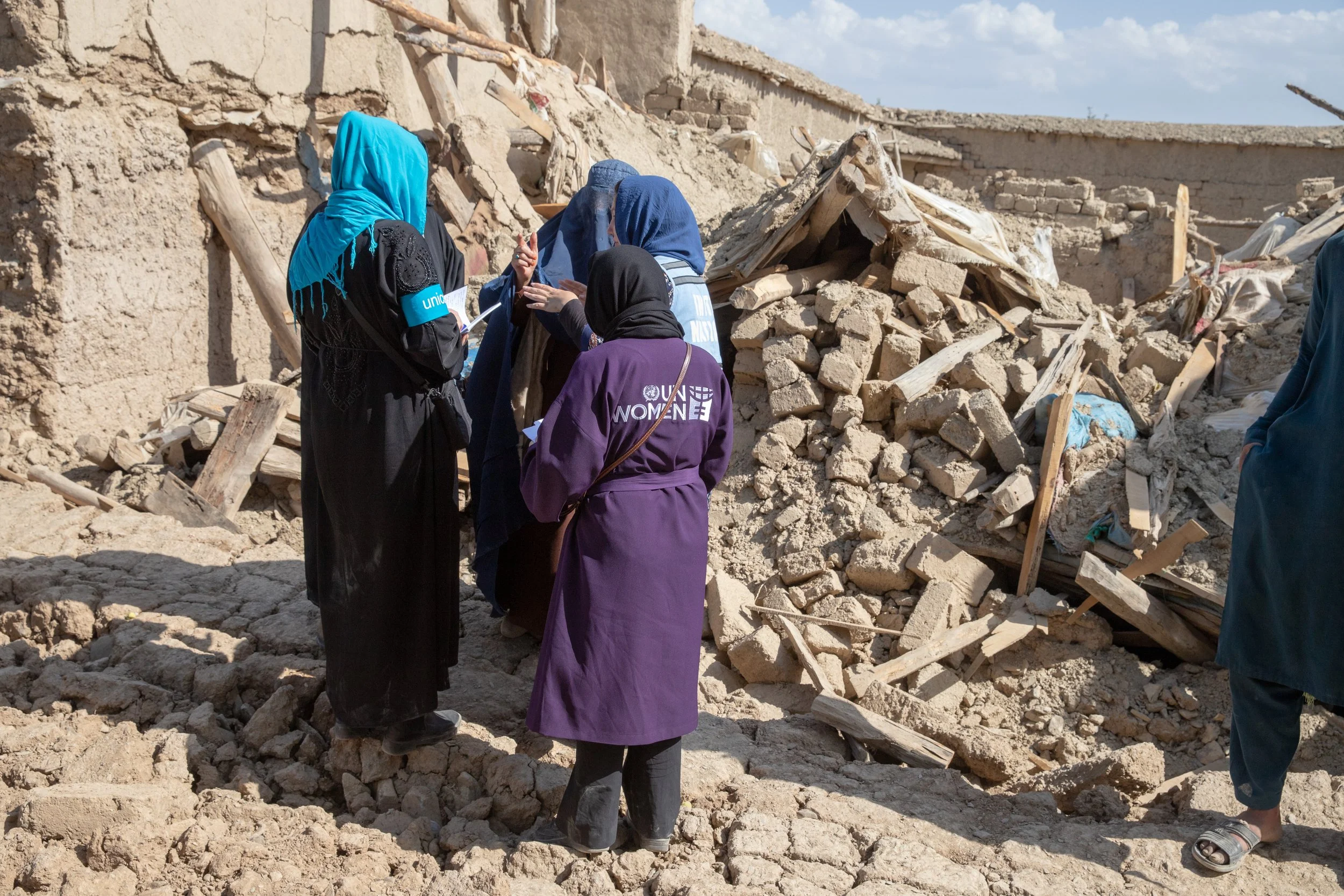
Humanitarian aid has trickled into the community, but the support cannot meet the needs of families. Some community members have received food, yet the distribution process has not been equitable, leaving many households, including Rokhsar’s, feeling overlooked and unsupported. Rokhsar believes that corruption at the community level is a significant barrier to accessing assistance, particularly as the head of her household. She explains that favouritism and bias often dictate who receives aid, making it difficult for her and others in similar situations to benefit from the limited resources available.
"Some NGOs provide food aid, but the community leaders prioritise their relatives. I tried to enroll my daughter in an embroidery training program, but the community leader told me there was no space. They choose who they want to help."
Photo credit: Sayed Habib Bedil, UN Women
To read more about how communities are experiencing natural hazards and the gendered impacts of these hazards in Afghanistan, you can access our latest report.